Quick summary
- Bring your valid passport. A border zone checkpoint operates near Kolsai Lake, and foreign nationals must present identification to proceed through the area.
- Expect a security checkpoint as you approach Kolsai Lake. All visitors are screened; allow extra time and have your documents ready for inspection.
- Both Kolsai and Kaindy lakes sit at elevation. Monitor how your body responds to the thinner mountain air and pace yourself accordingly during the 17-hour day.
- Stay on marked trails, pack out all litter, and respect fire restrictions within the national parks. Swimming and drone use are subject to park regulations.
- The final stretch to Kaindy involves a rough mountain track via UAZ minibus. The terrain is rugged but the vehicle and driver are experienced with these conditions.
Why You Need Your Passport
The Kolsai Lake area sits within Kazakhstan's border zone, a restricted region that requires foreign nationals to carry valid identification at all times. This checkpoint exists because the lakes lie relatively close to the country's international boundaries, and Kazakhstani law mandates document verification for anyone entering these sensitive areas. Your passport will be inspected at a control point during the drive to Kolsai; this is a standard procedure and typically takes only a few minutes.
Make sure your passport is valid for the entire duration of your stay in Kazakhstan and has at least six months of validity remaining. Keep it easily accessible during the tour rather than packed away, as you may need to present it on short notice. If you have any visa restrictions or special conditions noted in your passport, inform your professional guide before the trip begins so there are no surprises at the checkpoint.
The Border-Zone Control Point Near Kolsai
As your group approaches Kolsai Lake, you will pass through a border-zone checkpoint where officials verify the identity and documentation of all passengers. This is not a full border crossing but rather a control station that monitors movement in the restricted area. The process is straightforward: officers will board the minibus, ask to see passports, and confirm that all visitors are authorized to be in the zone. The stop typically lasts 10 to 15 minutes, depending on how many vehicles are ahead of you.
Foreign nationals are generally permitted to visit Kolsai Lake without additional permits beyond a valid passport, provided they are part of an organized tour with a licensed operator. Your guide will handle any documentation questions and coordinate with officials. To avoid delays, ensure all passengers have their passports ready and that names on documents match those on any tour booking. If anyone in your group lacks proper identification, access to the Kolsai area may be denied.
Border checkpoint ahead: passport required for Kolsai Lake access
Swimming and Water Safety Rules
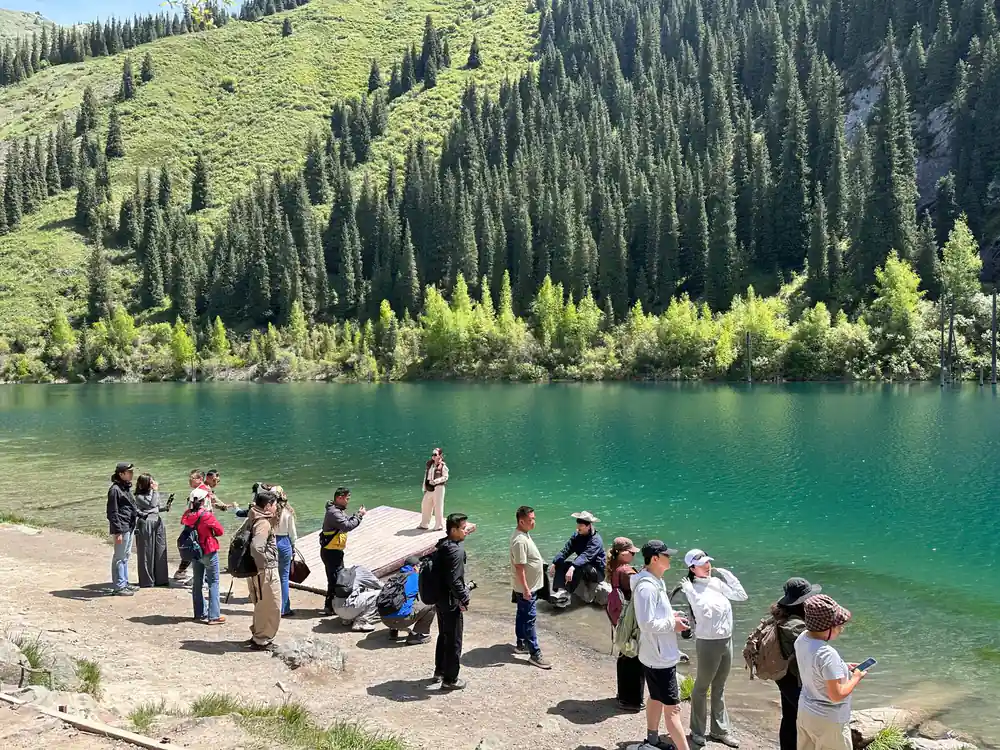
Both Kolsai and Kaindy lakes are beautiful but cold, fed by mountain springs and snowmelt. Swimming is restricted in both lakes, and water temperatures stay low all year in any case. Before entering the water, assess conditions carefully: currents can be unpredictable, and the lakes have no lifeguard stations. If you plan to swim, bring appropriate gear and never swim alone; always inform your guide of your intention beforehand.
The altitude and cold water combination means hypothermia is a genuine risk if you stay in the water too long. Wading is generally safer than full immersion, and many visitors simply enjoy the lakes from the shore rather than entering the water. Respect any visible warning signs or ropes that indicate unsafe areas, and follow your guide's specific recommendations based on current weather and water conditions on the day of your visit.
Drone and Photography Restrictions
Unmanned drones and aerial photography equipment are not permitted inside Charyn Canyon National Park or at Kaindy Lake. These restrictions exist to protect the natural environment and preserve the experience for all visitors. If you are traveling with a drone, pack it safely and leave it unused during the time you spend in the protected areas. Violating this rule can result in confiscation of equipment and fines.
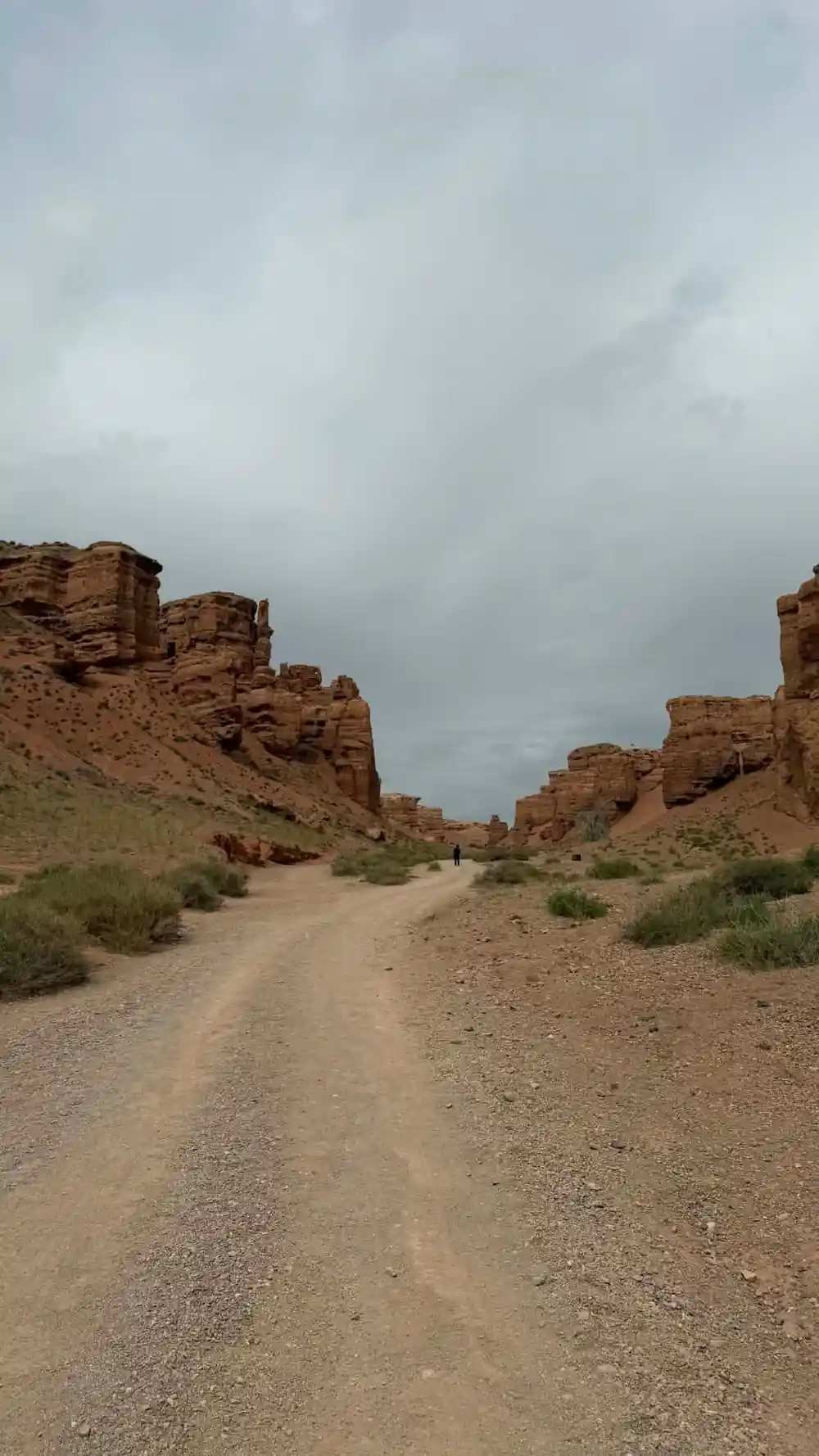
Standard handheld cameras, smartphones, and professional photography gear for ground-level shooting are welcome throughout the tour. Your guide will point out the best vantage points and times of day for photography at each location. The dramatic red cliffs of Charyn Canyon and the mirrored reflections of Kolsai Lake offer spectacular photo opportunities without the need for aerial equipment.
1,818 m
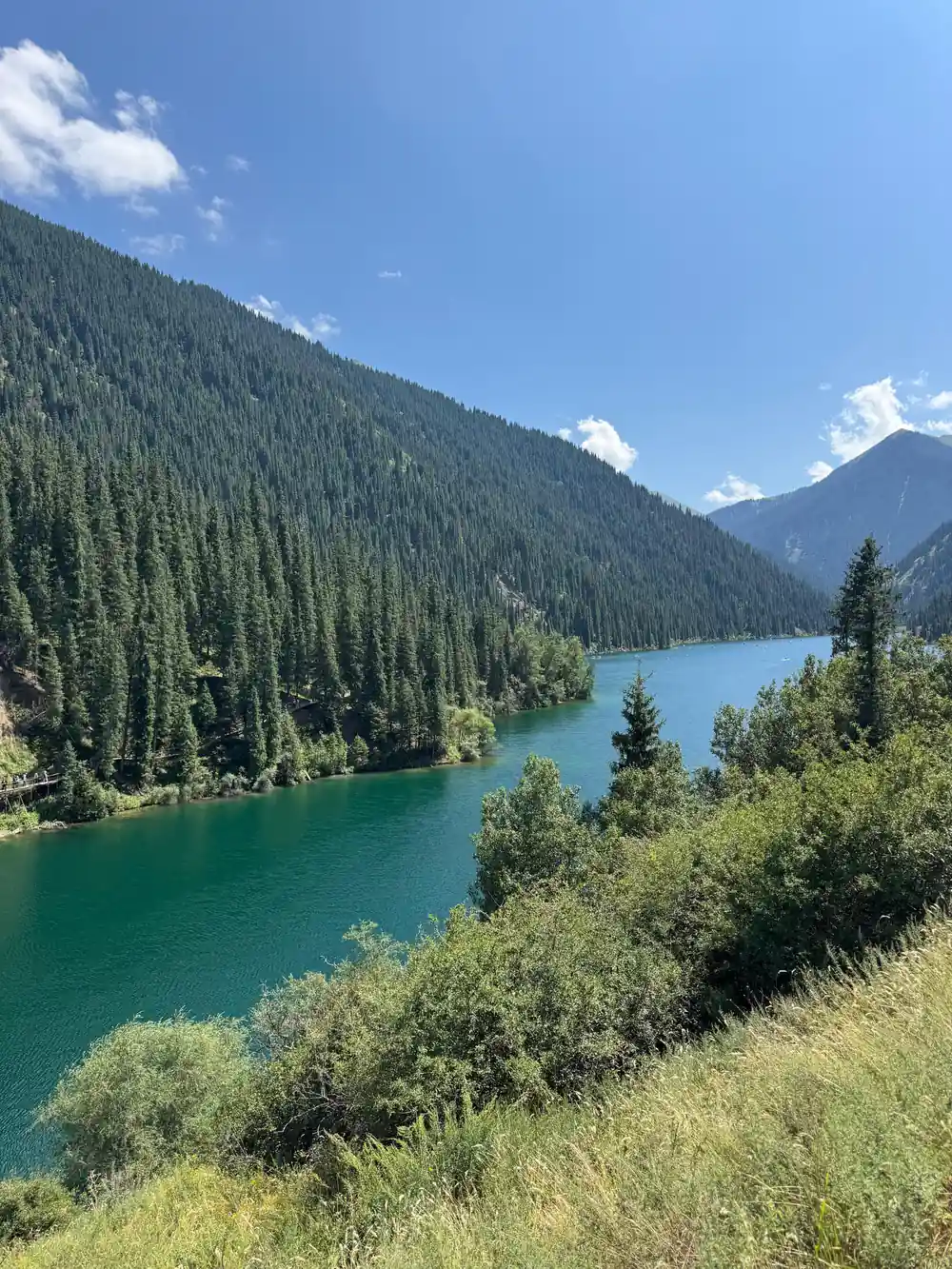
Kolsai's lower lake sits at 1,818 meters, where thin mountain air requires steady pacing.
The Rough UAZ Track to Kaindy Lake
The final leg of the journey to Kaindy Lake involves transfer in a Soviet-era UAZ minibus along a rugged mountain track. This vehicle is specially equipped for steep terrain and narrow switchbacks, but the ride is undeniably bumpy and steep. The track climbs roughly 250 metres in elevation through dense forest, and the journey takes approximately 30 to 40 minutes depending on conditions. The UAZ is essential because no standard passenger vehicle can safely navigate this terrain.
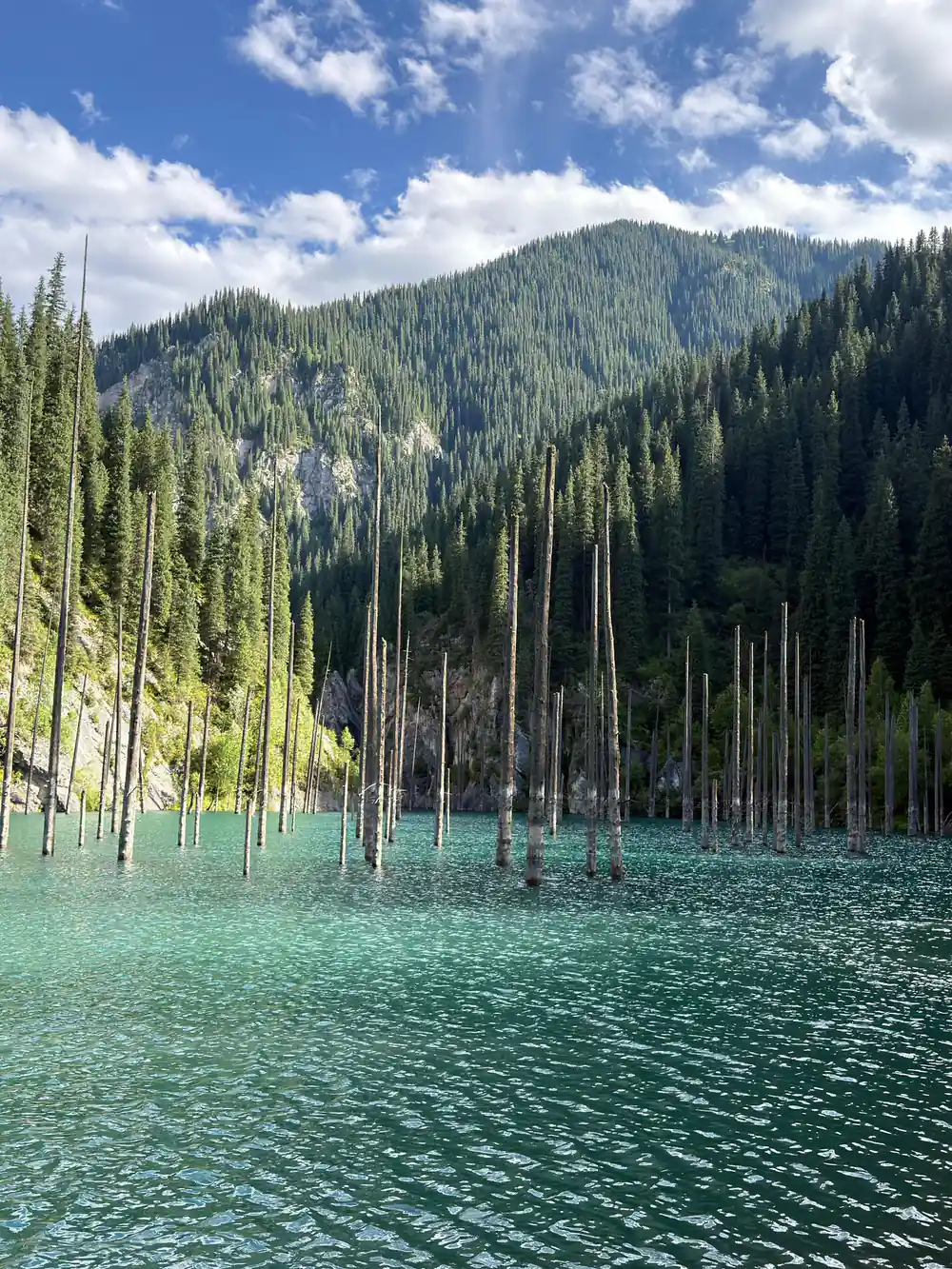
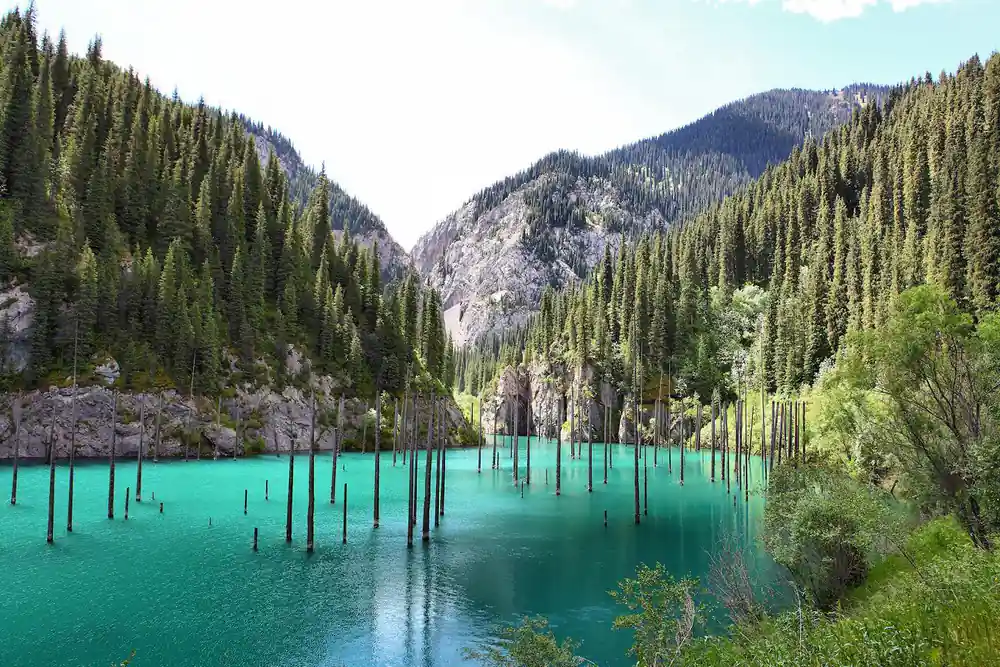
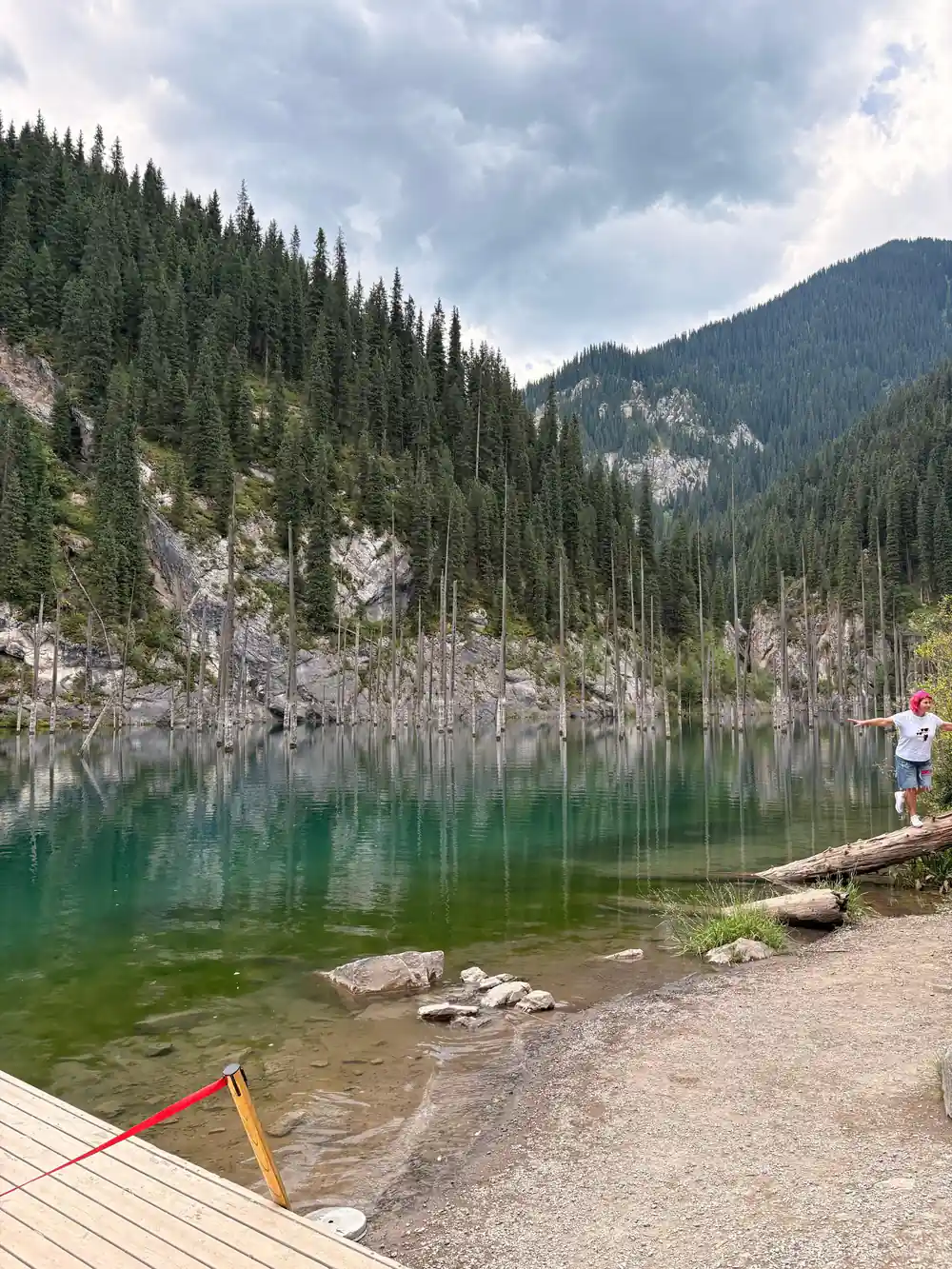
Passengers with back or joint problems should consider this when deciding whether to make the full trip to Kaindy. The road is not paved and becomes muddy or slippery during or after rain. Your guide will advise you if conditions are too poor for safe passage on any given day. Raincoats are provided in case of weather, and it is normal to feel some anxiety during the steep climbs, but the UAZ drivers are experienced on these routes. The extraordinary submerged forest at Kaindy, where tree trunks protrude from the water, makes the challenging journey worthwhile for most visitors.
Altitude Considerations at Kolsai Lake
Kolsai Lake sits at approximately 2,000 meters above sea level, an elevation that can cause mild altitude effects in visitors who are not accustomed to high altitudes. Symptoms such as slight breathlessness, mild headache, or fatigue are common during the first few hours. These effects are usually temporary and diminish as your body acclimates during the tour. Drinking plenty of water and pacing yourself during walks around the lake will help minimize any discomfort.
If you have a history of cardiovascular problems, severe asthma, or respiratory issues, consult your doctor before this excursion. Inform your guide of any health concerns upon arrival so they can monitor you and adjust the pace if needed. The elevation is not extreme enough to require special medication for most healthy adults, but respect your body's signals and rest if you feel unwell. Proper hydration and avoiding alcohol the night before the tour will improve your comfort at this altitude.
Park Rules: Litter, Fire, and Designated Paths
Both Charyn Canyon National Park and the Kaindy and Kolsai areas are protected environments where strict conservation rules apply. All litter must be packed out; nothing should be left behind, including food waste, plastic, or natural materials that might seem harmless. The parks rely on visitors to maintain their pristine condition, and removing even a single stone or plant can damage the delicate ecosystem. Use designated bins when available, and store any waste in your day bag until you return to the minibus.
Open fires are strictly forbidden throughout all three locations. Smoking is also restricted in many areas; ask your guide where it is permitted. Staying on marked paths and designated viewing areas is essential both for your safety and to protect vegetation and wildlife. Wandering off-trail can lead to erosion, damage to plant life, and risk of getting lost on steep terrain. Your guide will lead you along safe routes with the best views, and these paths have been established specifically to balance visitor access with environmental protection. Violations of these rules may result in fines or denial of future entry to the parks.
Bring Your Passport for This Adventure
from US$59Reserve now & pay later