Quick summary
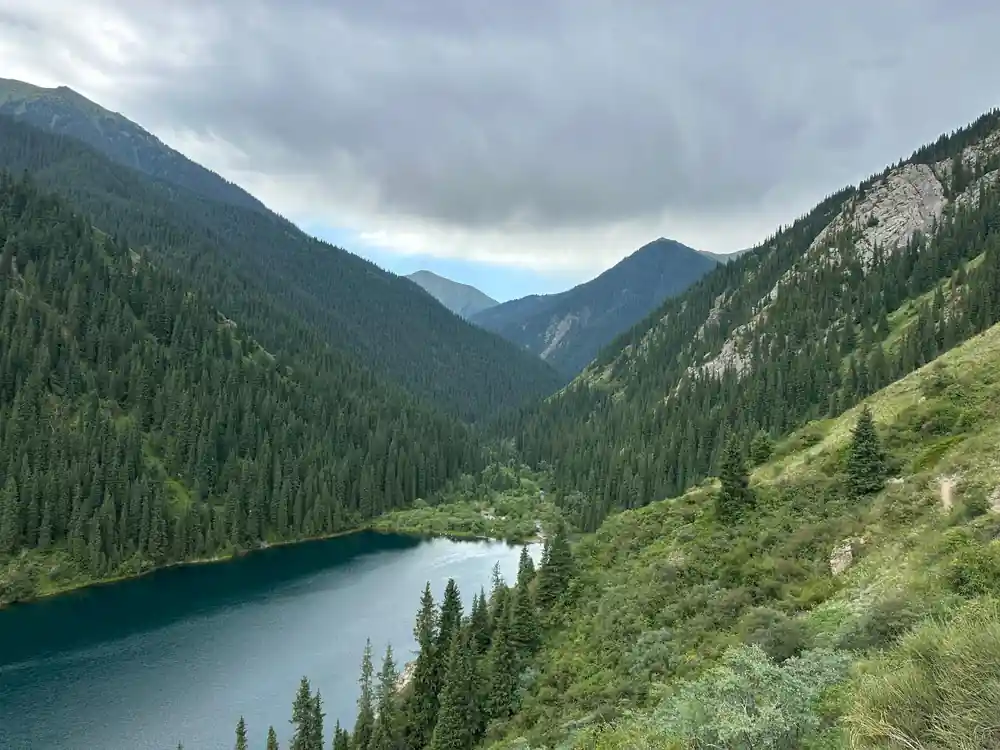
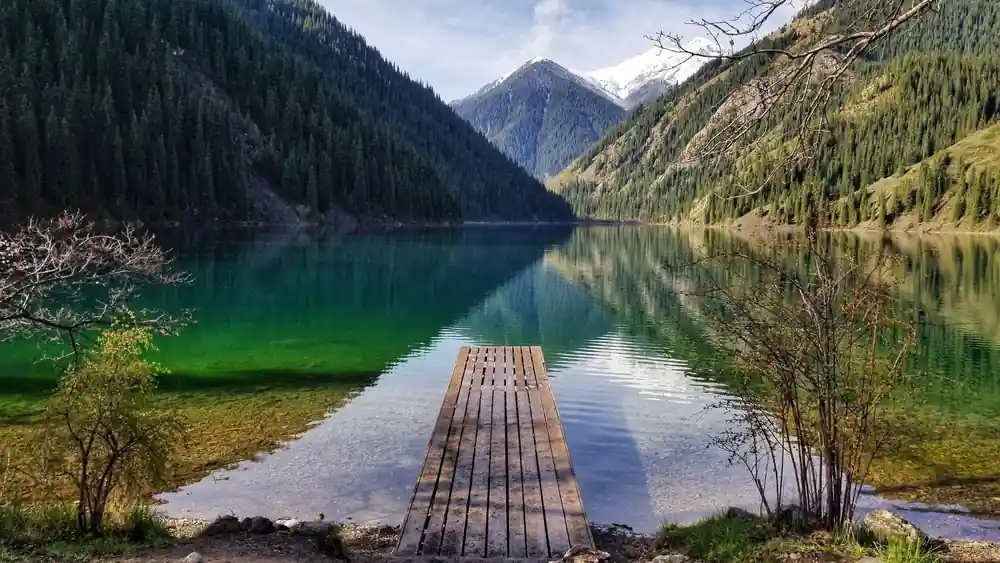
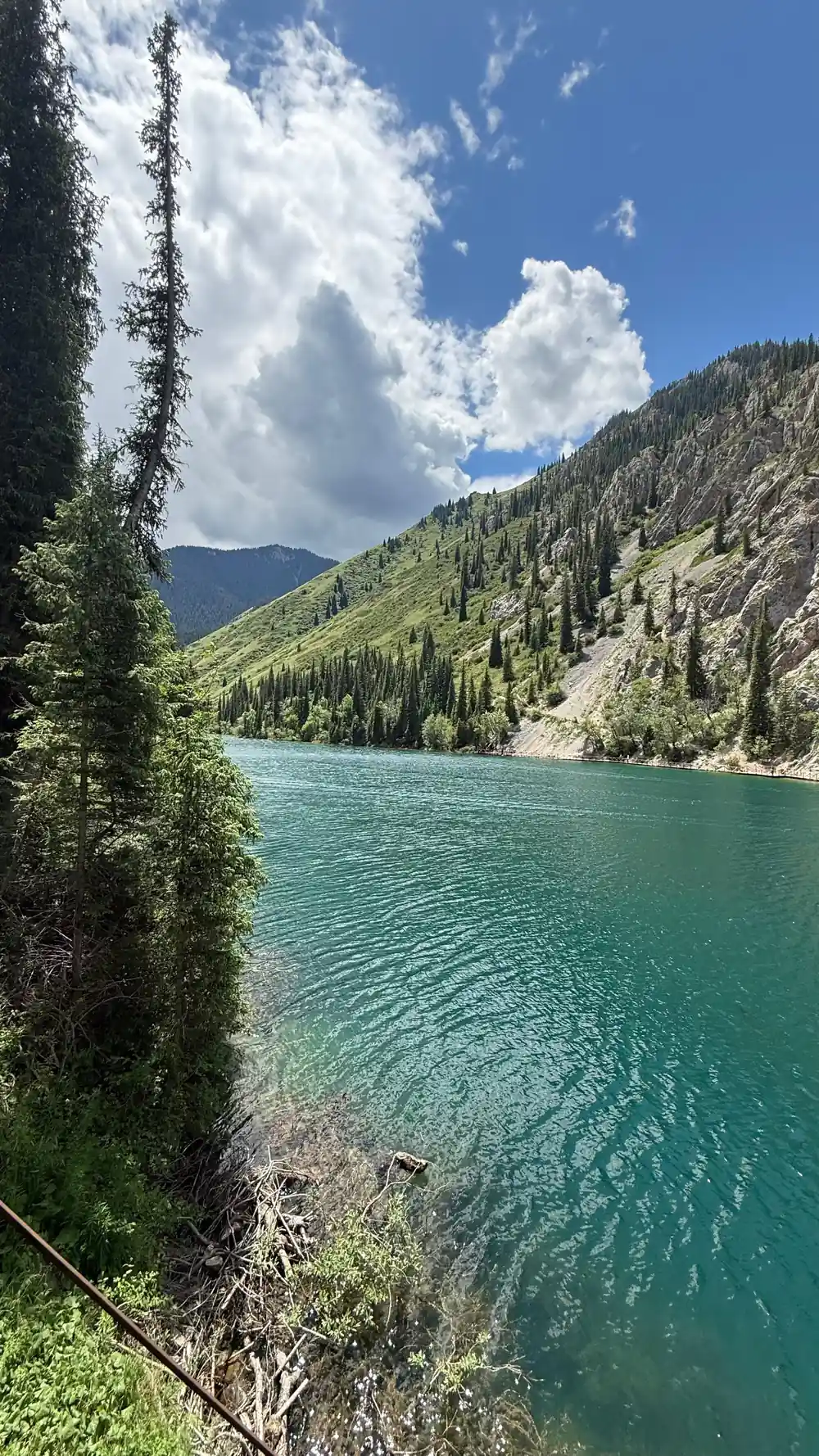
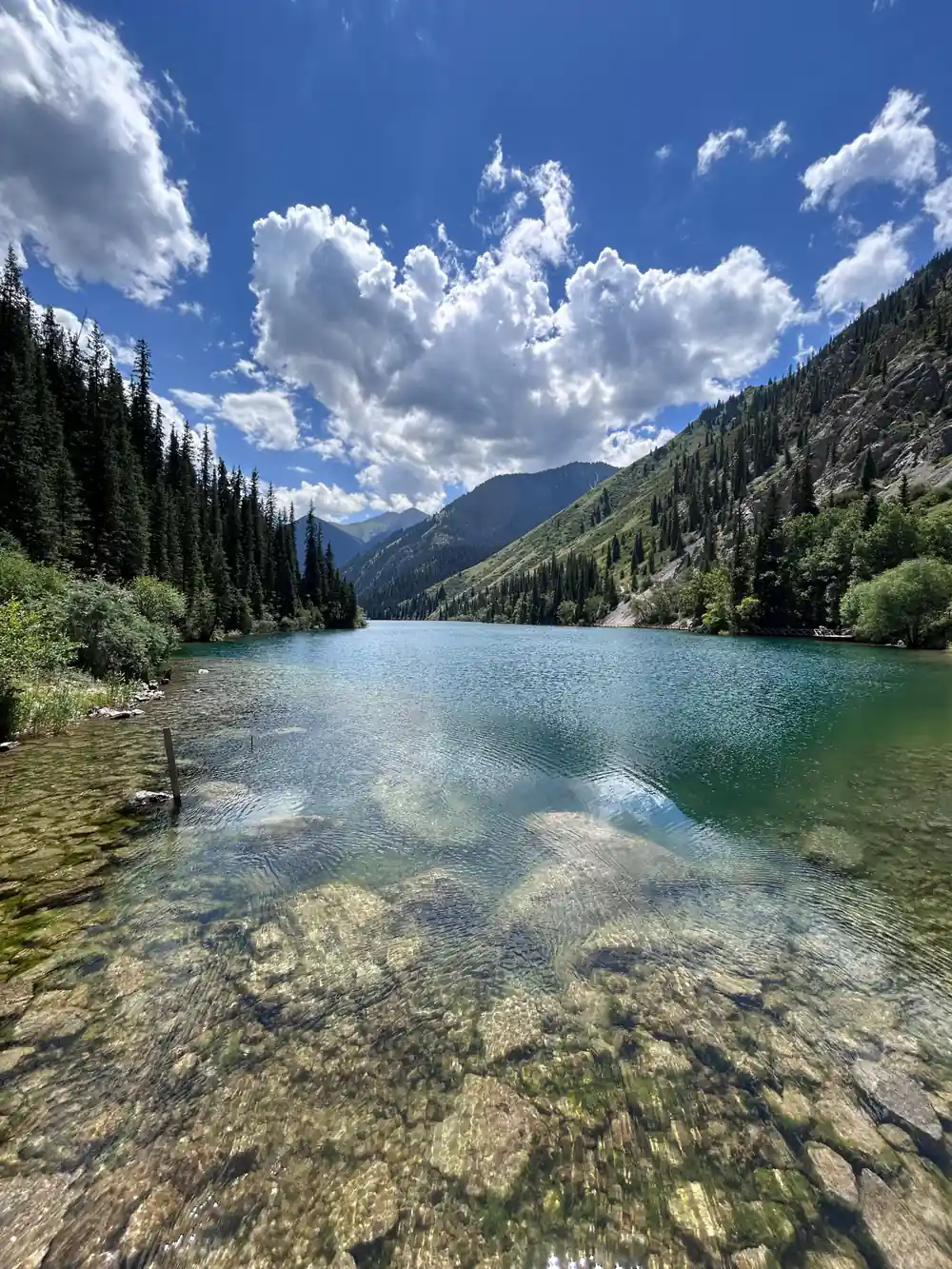
- The day trip reaches Kolsai Lake, nestled in the Tien Shan mountains. Three lakes sit at different elevations across this alpine chain.
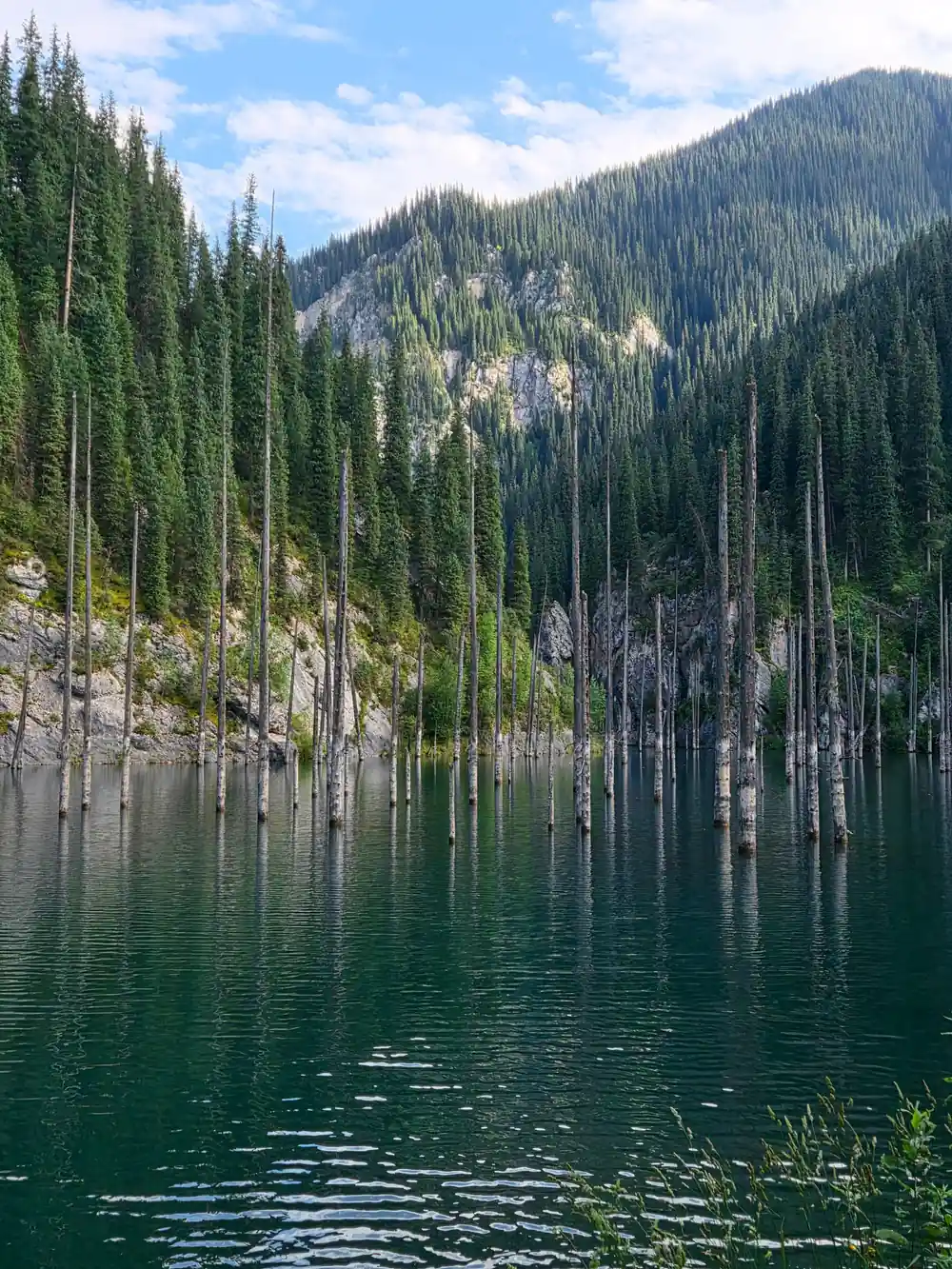
- Spruce and pine forests frame the shores. Watch for ibex on rocky slopes and eagles soaring above the canyons during your visit.
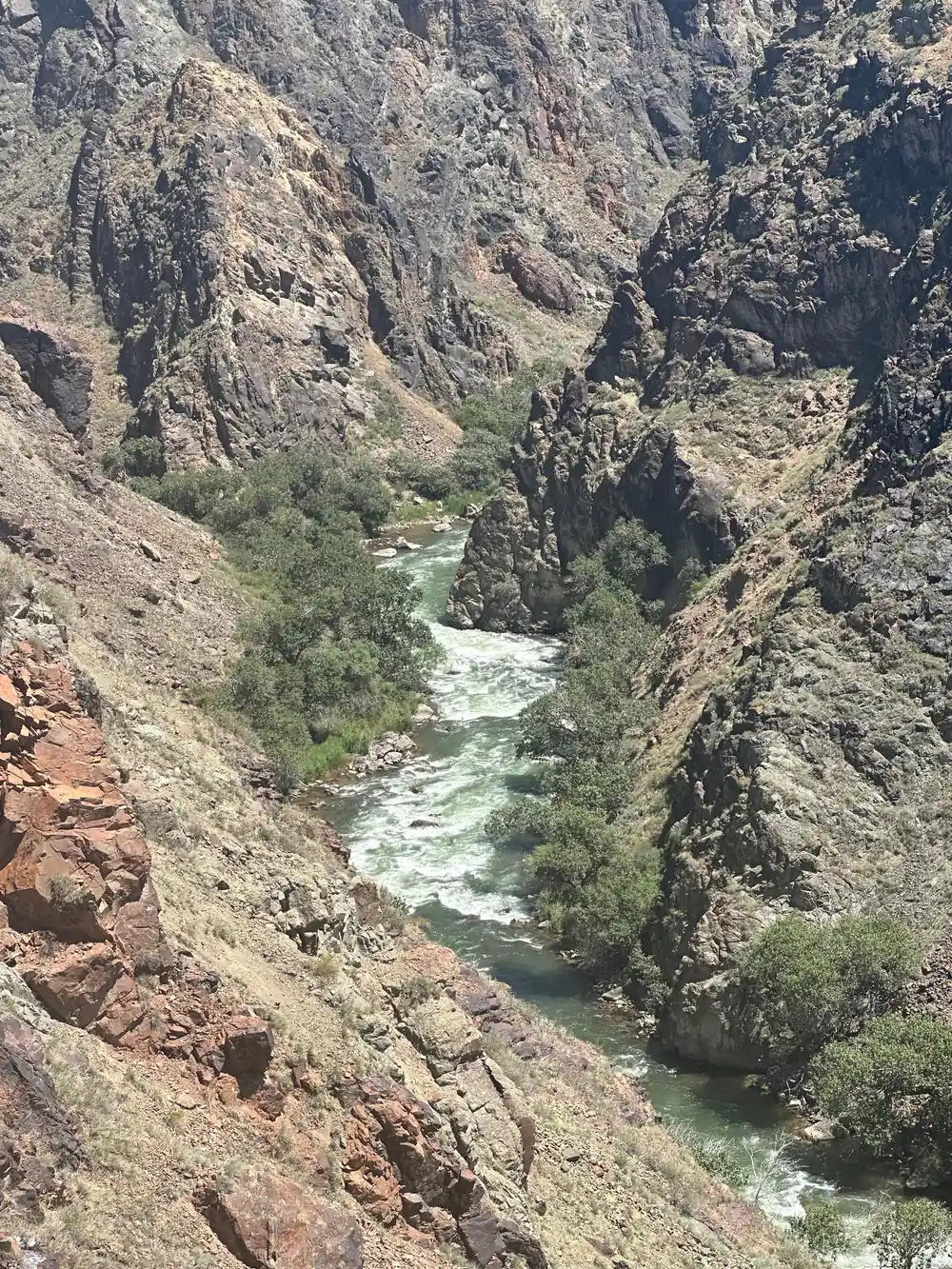
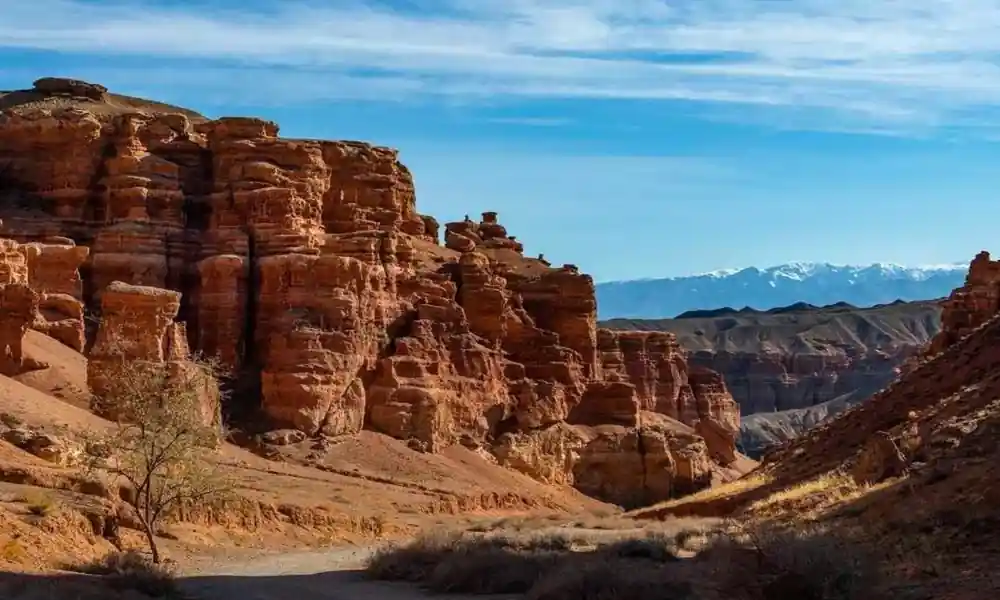
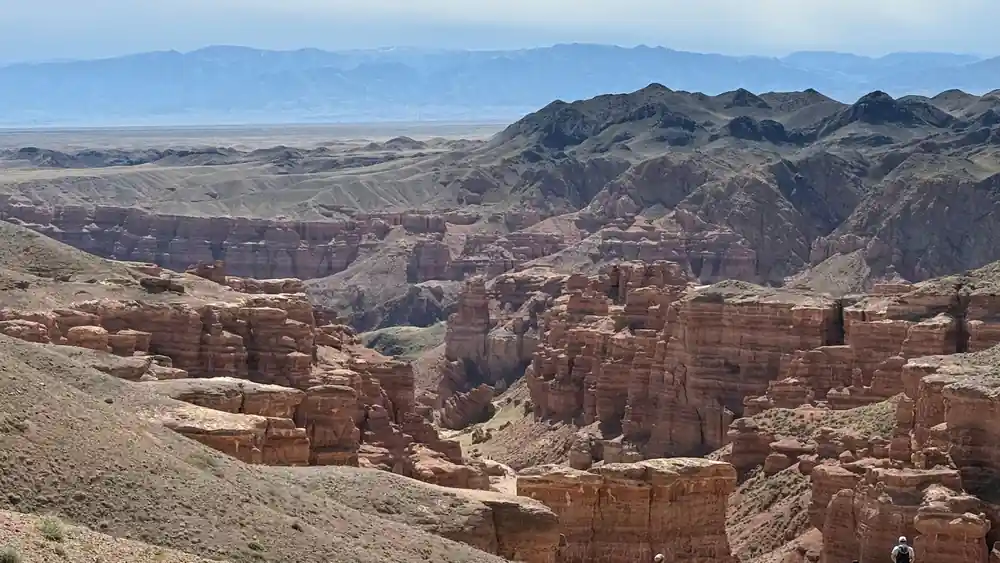
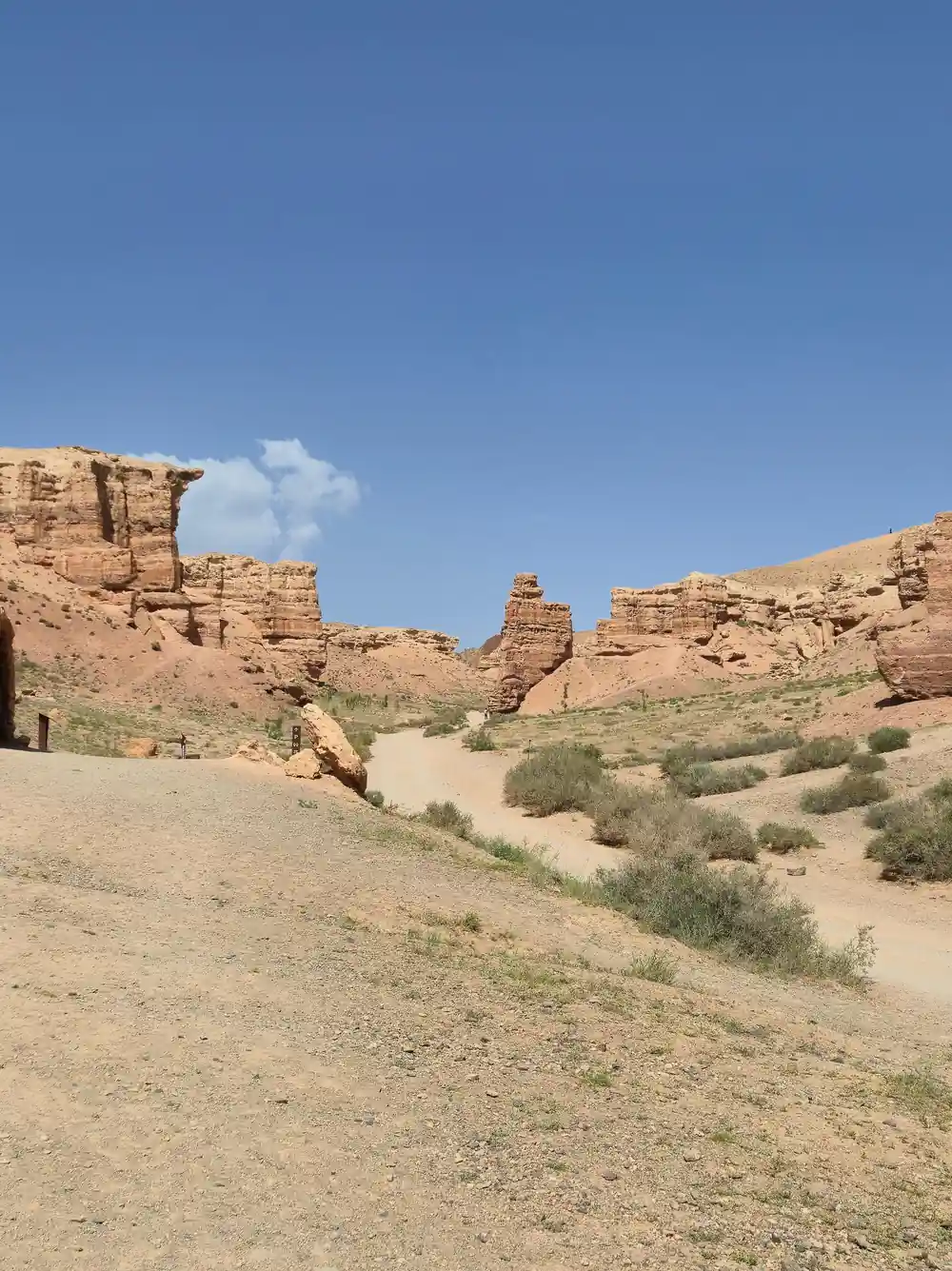
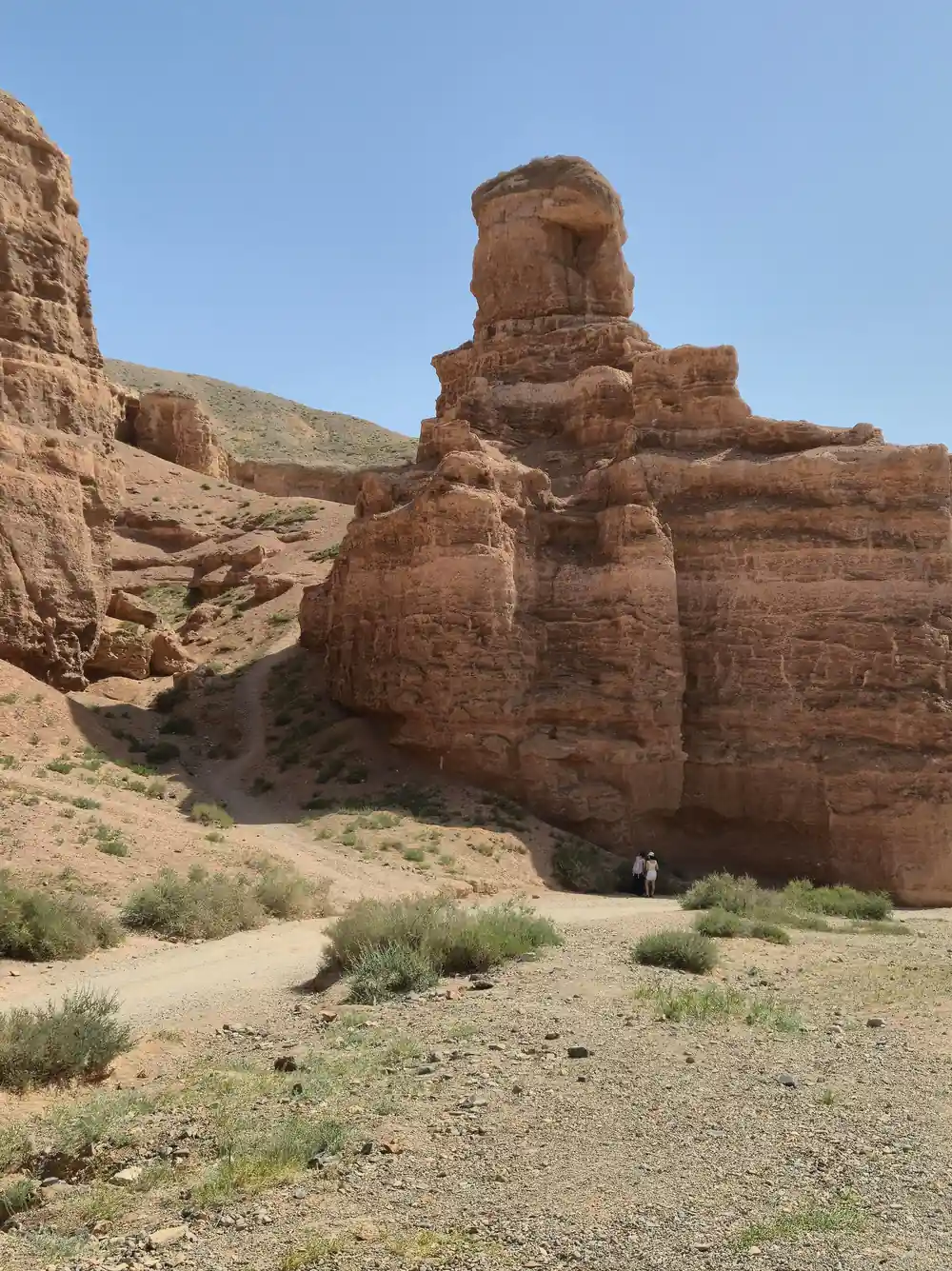
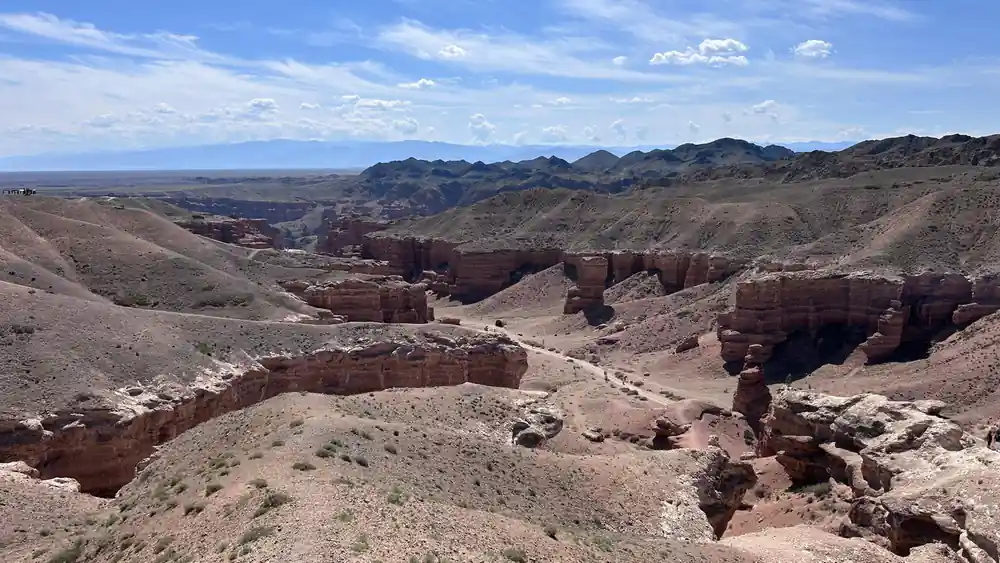
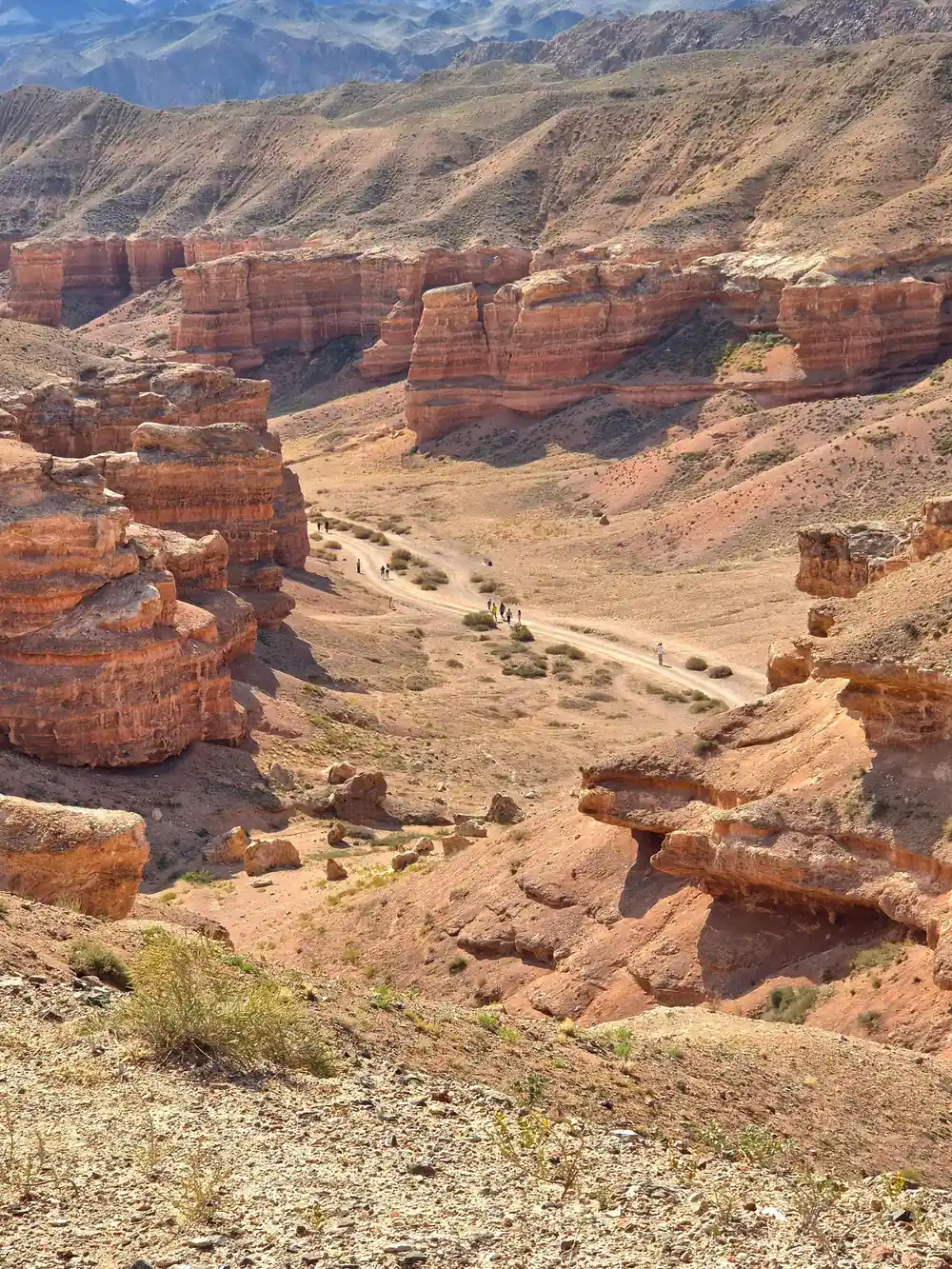
- Red rock formations tower above Charyn Canyon alongside Black Canyon's dramatic cliffs, framing the landscape on either side of your route.
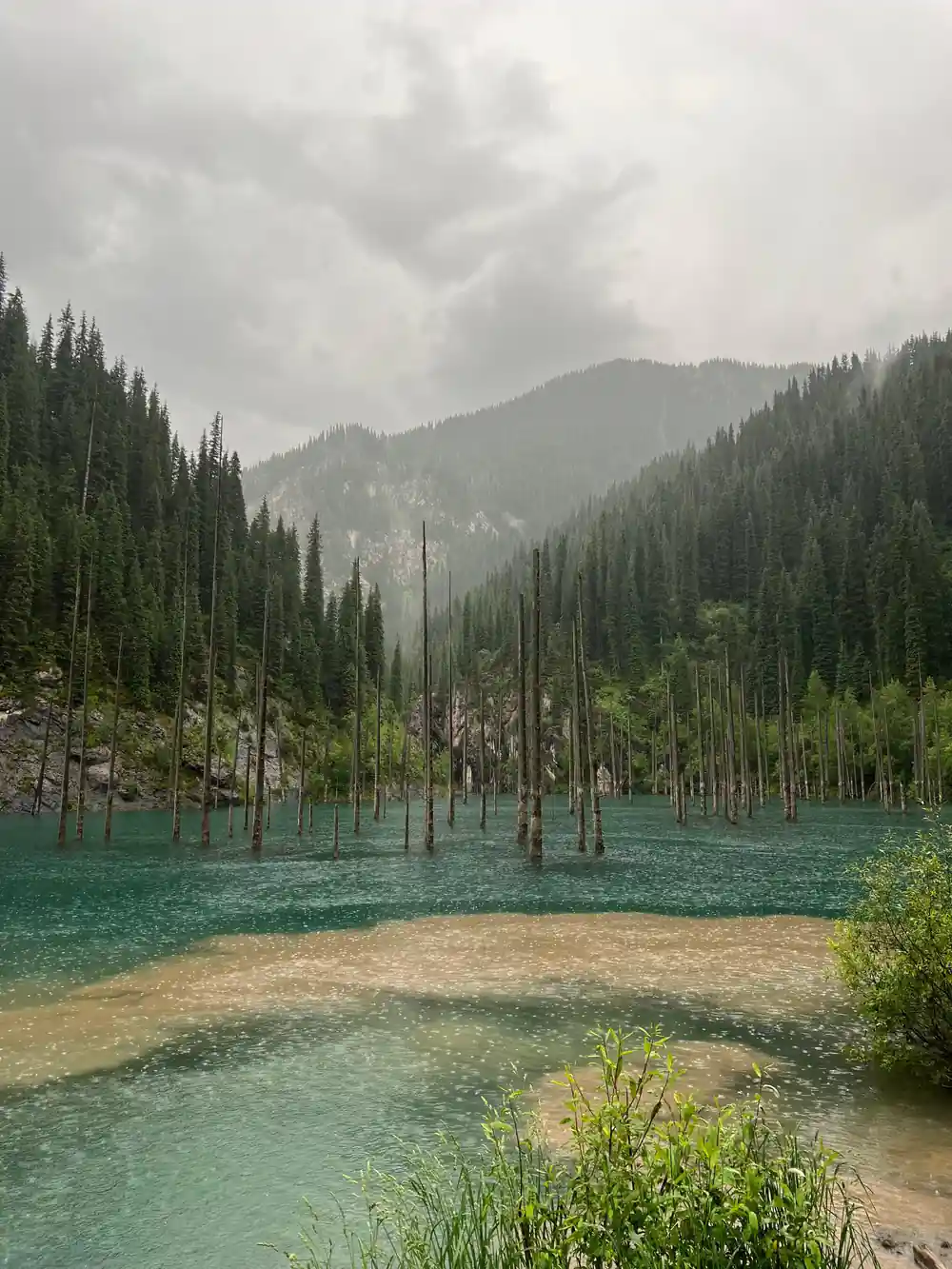
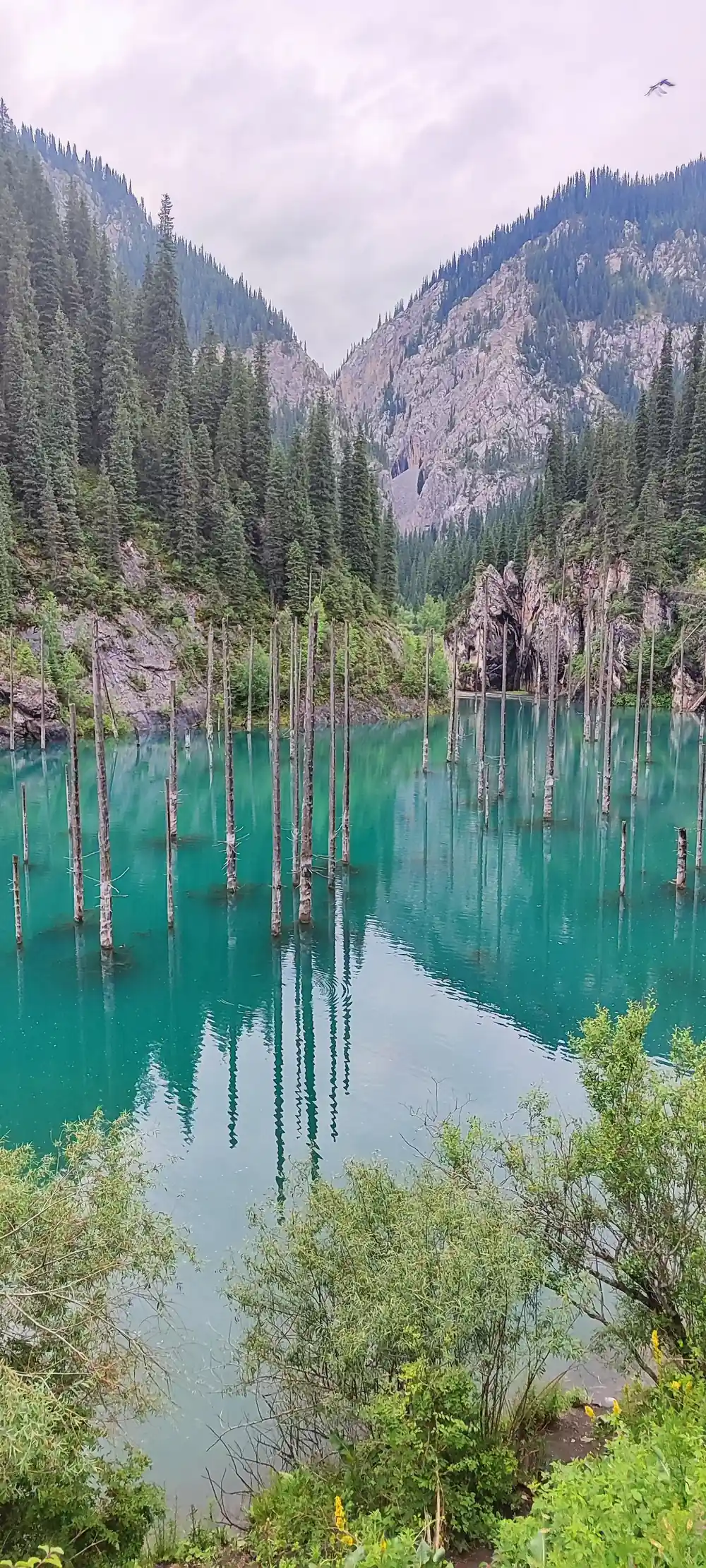
- These glacial waters run deep and clear, reflecting the surrounding peaks and creating the pristine setting that earned them their renown.
- A single guided journey covers all three stops with professional transport, allowing you to experience multiple ecosystems in one immersive outing.
Why Kolsai Lakes Are Known as Pearls of the Tien Shan
The Kolsai Lakes earn their reputation as pearls scattered across the Tien Shan mountains through their striking beauty and pristine alpine setting. Strung like a necklace through a high valley in southeastern Kazakhstan, these three lakes sit at elevations where the air grows thin and the landscape transforms into something otherworldly. Each lake reflects the granite peaks and dense spruce forests surrounding it, creating mirror images of the sky and mountains that justify the pearl metaphor. The lakes represent more than scenic beauty; they mark the boundary between the lower foothills and the true high mountains, a threshold where different ecosystems meet and create exceptional biodiversity.
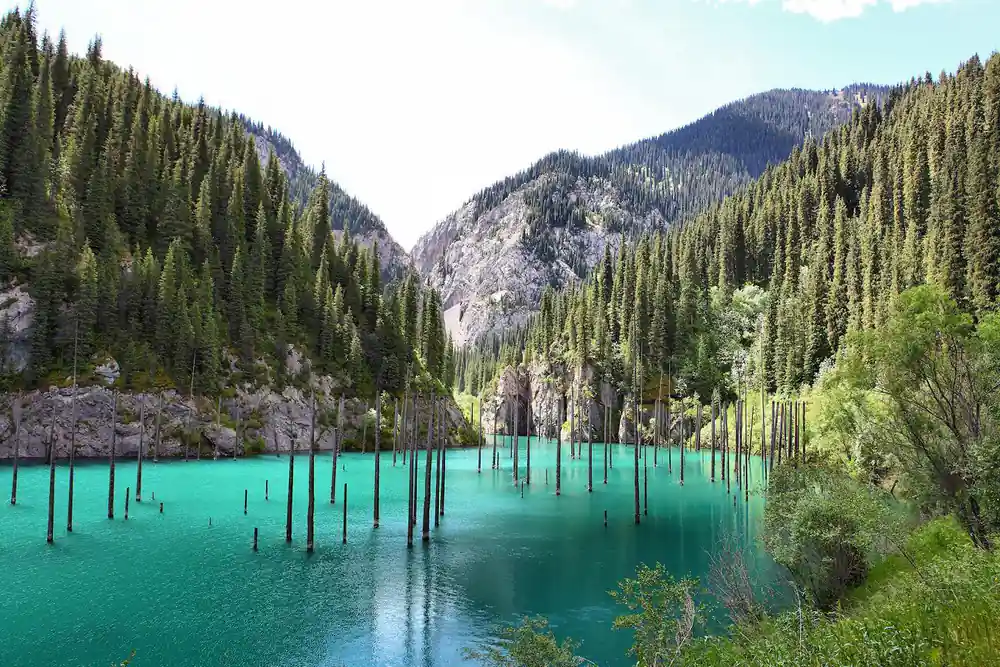
This 17-hour guided day trip from Almaty reaches Kolsai Lake as one of three major stops, bringing you face to face with the landscape that has captivated visitors and locals alike for generations. The tour combines these alpine lakes with visits to Charyn Canyon National Park and Kaindy Lake, creating a full immersion into the natural treasures surrounding Kazakhstan's largest city. Your journey includes professional guiding and dedicated transportation, allowing you to focus on understanding the ecology, geology, and cultural significance of these mountains rather than navigating the challenging terrain yourself.
The Three Lakes: Geography and What You'll Actually Visit
Three distinct lakes comprise the Kolsai chain, each sitting at progressively higher elevations as you move deeper into the mountains. The first lake, accessible by vehicle, sits at approximately 1,800 meters and features gentle shores lined with spruce forests where Kazakh herders graze their horses. The second lake, roughly 5 kilometers higher up the valley, occupies a more dramatic cirque and remains less visited, maintaining a wilder character. The third lake sits near the Kyrgyz border in a remote alpine basin, rarely reached by day-trippers due to the distance and elevation gain required beyond the second lake.
On this day trip, you visit Kolsai Lake at its most accessible point, where the landscape still retains dramatic mountain scenery while remaining reachable within the tour's 17-hour timeframe. The area around Kolsai Lakes National Park protects this fragile ecosystem, with designated trails and parking areas managing visitor impact. The drive from Almaty takes several hours, with the journey itself revealing how the landscape shifts from city suburbs through foothills into genuine alpine terrain, demonstrating why these lakes demanded protection and why they draw visitors from across the world.





Wildlife of the High Mountains: From Ibex to Elusive Predators
The Tien Shan mountains around Kolsai support a remarkable array of fauna adapted to steep terrain and harsh alpine conditions. Siberian ibex, recognizable by their long curved horns and impressive climbing ability, inhabit the rocky slopes above the lakes, moving with impossible grace across near-vertical cliff faces. Brown bears roam the forested valleys, emerging in spring and summer to feed on emerging vegetation and fish. Golden eagles soar overhead, riding thermal currents above the canyons, their keen eyes scanning the rocky terrain for movement. The mountains also harbor snow leopards in their highest reaches, though these magnificent cats remain so elusive that sighting one ranks among the rarest privileges in Central Asian wildlife watching.
The bird life extends well beyond eagles, with species including Himalayan snowcock, lammergeier, and various alpine thrushes making their homes in this landscape. Mammals such as argali sheep, marmots, and pikas occupy different elevation zones, each species precisely adapted to its particular altitude and microhabitat. Your professional guide possesses knowledge about where these animals live and when you're most likely to observe them, adding context to any sightings and deepening your understanding of how life persists in these demanding mountains.
Spruce Forests and Alpine Wildflowers
The vegetation surrounding Kolsai Lakes shifts dramatically with elevation and terrain exposure. Dense spruce forests dominate the lower slopes, creating a dark, cool environment where moisture accumulates and mosses carpet the forest floor. These ancient trees have adapted to heavy winter snowfall and brief growing seasons, growing slowly but reaching impressive heights and ages. As elevation increases, the spruce becomes more scattered and stunted, eventually giving way to alpine meadows where trees cannot establish themselves against wind and cold.
Wildflowers paint these high meadows with color during the brief summer season, with edelweiss, alpine forget-me-nots, and mountain primrose creating carpets of bloom between late June and August. Alpine grasses and low shrubs provide food for grazing animals, while the open terrain offers unobstructed views of the surrounding peaks. The transition between forest and alpine zone happens within a remarkably short distance, highlighting how dramatically conditions change in these mountains and why different ecosystems support such distinct communities of plants and animals.
1,800 m
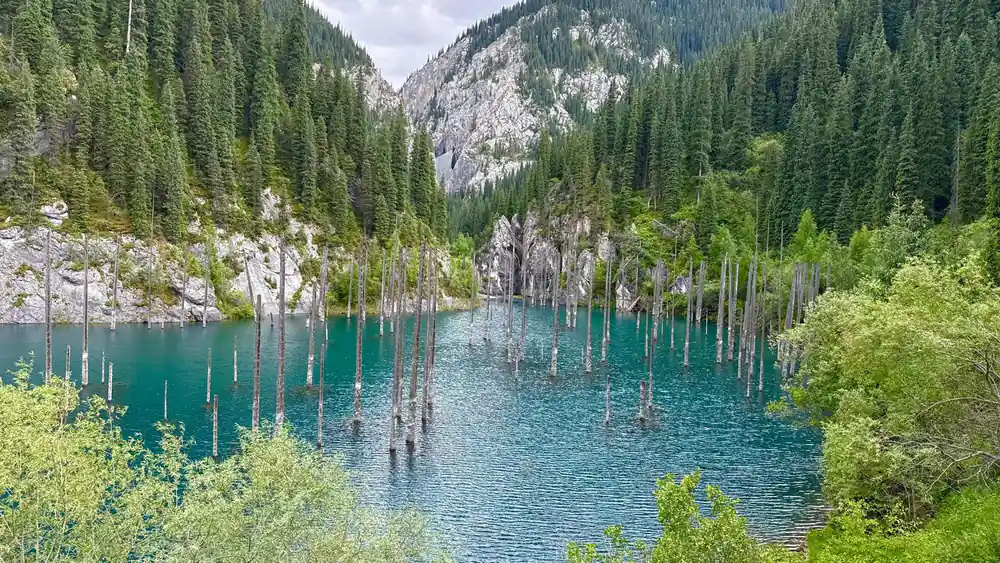
The first Kolsai Lake sits at 1,800 meters, where alpine meadows meet the peaks of the Tien Shan range.
Kazakh Legends and the Spirit of the Mountains
Local Kazakh culture has woven the Kolsai Lakes and surrounding Tien Shan into a rich tradition of oral storytelling that explains natural features through legend and spiritual significance. These narratives connect the landscape to ancestral memory, describing how the lakes formed and why certain peaks command respect and reverence. The name Kolsai itself carries meaning rooted in the Kazakh language, connecting the physical lakes to deeper cultural concepts about mountain water and its life-giving properties. Stories passed down through generations speak of protective spirits inhabiting the peaks, of tests faced by hunters and herders in these heights, and of the mountains as a liminal space between the earthly and spiritual worlds.
Understanding these legends transforms a visit from simple sightseeing into cultural engagement, revealing how the people living alongside these mountains understand and relate to them. Your guide, familiar with both the natural history and cultural context, can share these stories as you travel through the landscape, creating multiple layers of meaning in what you observe. The Saty village, nestled in the valley below Kolsai Lake, remains a living center of this culture, where Kazakh families continue herding traditions that have shaped the landscape for centuries.
Life in Saty: Nomadic Heritage and Modern Herding
Saty village exists as a bridge between nomadic pastoralism and settled life, where Kazakh families maintain horses, sheep, and cattle using methods refined over centuries of mountain living. The village sits in the valley leading up to Kolsai Lake, positioned exactly where the landscape begins its steep climb toward alpine terrain. Herders move their animals seasonally, taking advantage of different pastures as snow melts and vegetation grows at higher elevations during summer, then returning to lower valleys as winter approaches. This transhumance pattern, followed for generations, has shaped both the landscape and the culture in ways immediately visible to visitors who observe the grazing patterns and understand the logic behind them.
The people of Saty maintain horses as both working animals and cultural treasures, using them to access mountain pastures and embody a way of life that defines Kazakh identity. Children grow up riding, herding, and caring for animals, learning skills from parents and grandparents that connect them to ancestors stretching back centuries. A day trip through Kolsai provides an opportunity to encounter this living culture, observing how modern herding families balance tradition with contemporary realities, and understanding how human activity has become an integral part of the mountain ecosystem rather than separate from it.
Getting There: From Almaty Through Charyn Canyon to the Lakes
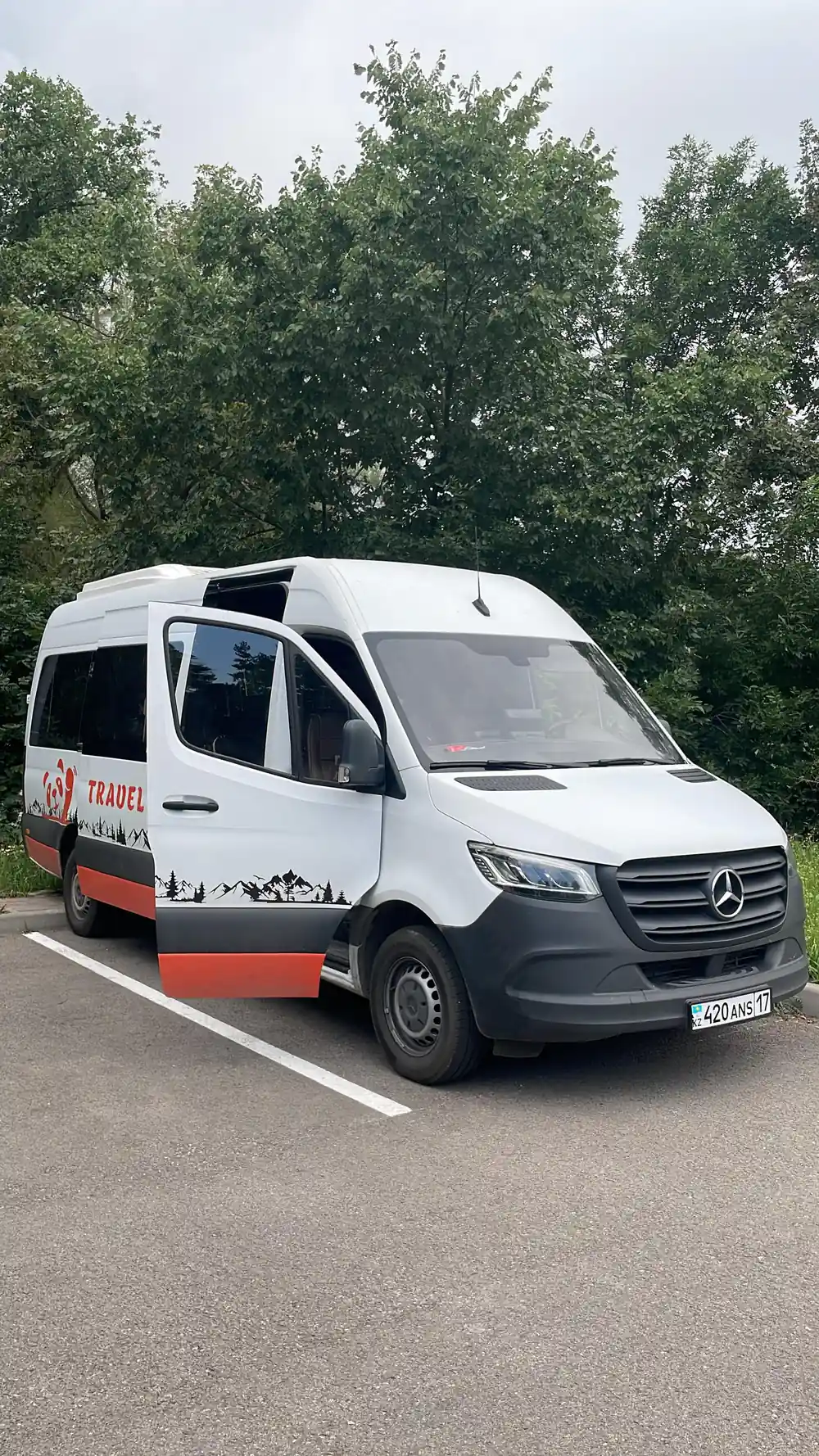
This comprehensive 17-hour experience departs from Almaty and makes three major stops, beginning with Charyn Canyon National Park before moving to Kolsai Lake and finally to Kaindy Lake. Travel occurs in a Mercedes Benz Sprinter minibus designed for comfort and safety on challenging mountain roads, with a professional guide providing context throughout the journey. The route takes you southeast from Almaty through increasingly dramatic terrain, with Charyn Canyon's red rock formations and towering cliffs appearing first, then the journey continuing into the higher mountains where Kolsai and Kaindy Lakes sit.
From the Almaty side, reaching Kolsai Lake requires ascending through multiple climate zones, with the drive allowing you to observe how vegetation and landscape transform as elevation increases. The tour includes tickets to all three destination areas and covers transfer to Kaindy Lake parking using a Soviet-era UAZ minibus, adding an authentic touch to the mountain experience. Raincoats are provided in case weather brings precipitation to the higher elevations, where conditions can change rapidly and afternoon thunderstorms are common during summer months. This full-day itinerary maximizes your exposure to the region's diverse natural attractions while managing logistics and safety through experienced guides and appropriate transportation.
Walk the shoreline of the first Kolsai Lake
from US$59Reserve now & pay later