Quick summary
- Charyn Canyon entry, Kolsai Lake entry, and Kaindy Lake entry are separate permissions, and all three tickets are included in your tour.
- Unmanned aircraft are banned over Charyn Canyon and Kaindy Lake. Operators risk confiscation and fines for aerial photography in these protected areas.
- Dogs and other animals cannot accompany you on this excursion. Wildlife protection rules across all three destinations prohibit pets on the trail.
- Swimming is forbidden in both Kolsai and Kaindy lakes. Campfires and open flames are also prohibited to preserve the natural landscape and prevent accidents.
- Visitors must remain on designated trails throughout Charyn Canyon and around the lakes. Off-trail exploration risks environmental damage and visitor safety violations.
Why Three Separate Park Tickets
This 17-hour excursion visits three distinct protected areas, each governed by its own park authority and conservation mandate. Charyn Canyon National Park, Kolsai Lake, and Kaindy operate under separate management systems, which is why your tour includes individual tickets to each location. These are not redundant fees but distinct entry permissions required by Kazakhstan's national park framework.
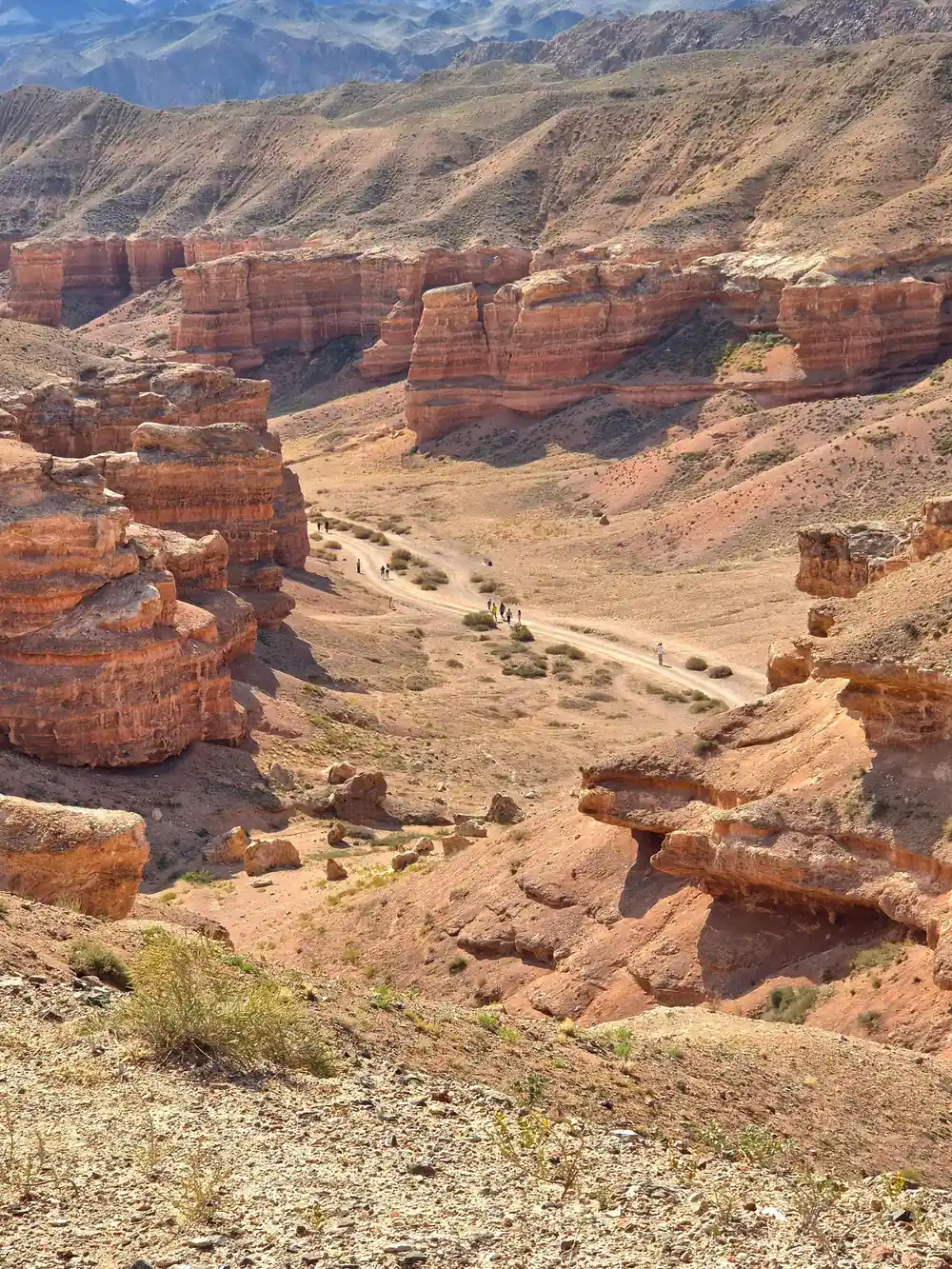
Each park enforces its own rules and maintains its own infrastructure. Charyn Canyon preserves dramatic geological formations across a vast canyon system. Kolsai Lake and Kaindy represent alpine lake ecosystems with fragile shorelines and specific seasonal conditions. By charging separately, park authorities fund targeted conservation efforts and monitor visitor numbers at each site independently, ensuring that no single location becomes overcrowded.
Drone Restrictions at Charyn and Kolsai
Unmanned aerial vehicles are prohibited throughout both Charyn Canyon National Park and Kolsai Lake. These restrictions exist to protect wildlife, maintain visitor safety, and prevent disturbance to the parks' pristine environments. The ban is enforced by park rangers and carries penalties for violation.
Drones can interfere with nesting birds and other animals that inhabit the canyon walls and alpine regions. Additionally, the air currents around steep canyon faces create unpredictable flight conditions that pose hazards to both the aircraft and ground visitors below. If you plan to bring a drone, you must leave it behind or store it at your accommodation before entering either park.
Park entrance sign at Charyn Canyon National Park
Pets and Animal Companions
Dogs and other pets are not permitted on this tour or within the three protected areas you will visit. This policy applies universally across Charyn Canyon National Park, Kolsai Lake, and Kaindy. Park authorities enforce this rule to prevent conflicts between domestic animals and wildlife, and to reduce stress on vulnerable species.
Pets can disturb ground-nesting birds, chase wildlife into dangerous terrain, and introduce non-native pathogens to fragile ecosystems. Even well-trained animals can trigger predatory instincts in wild populations or flee unexpectedly in unfamiliar landscapes. Arrange alternative care for your pet before joining this excursion.
Swimming and Water Temperature in Kaindy Lake
Swimming is restricted or prohibited in both Kolsai Lake and Kaindy Lake, depending on the season and current park conditions. Even where swimming is theoretically allowed, the water temperature remains dangerously cold year-round, typically between 8 and 12 degrees Celsius. Immersion in these waters can trigger rapid hypothermia and is not recommended.
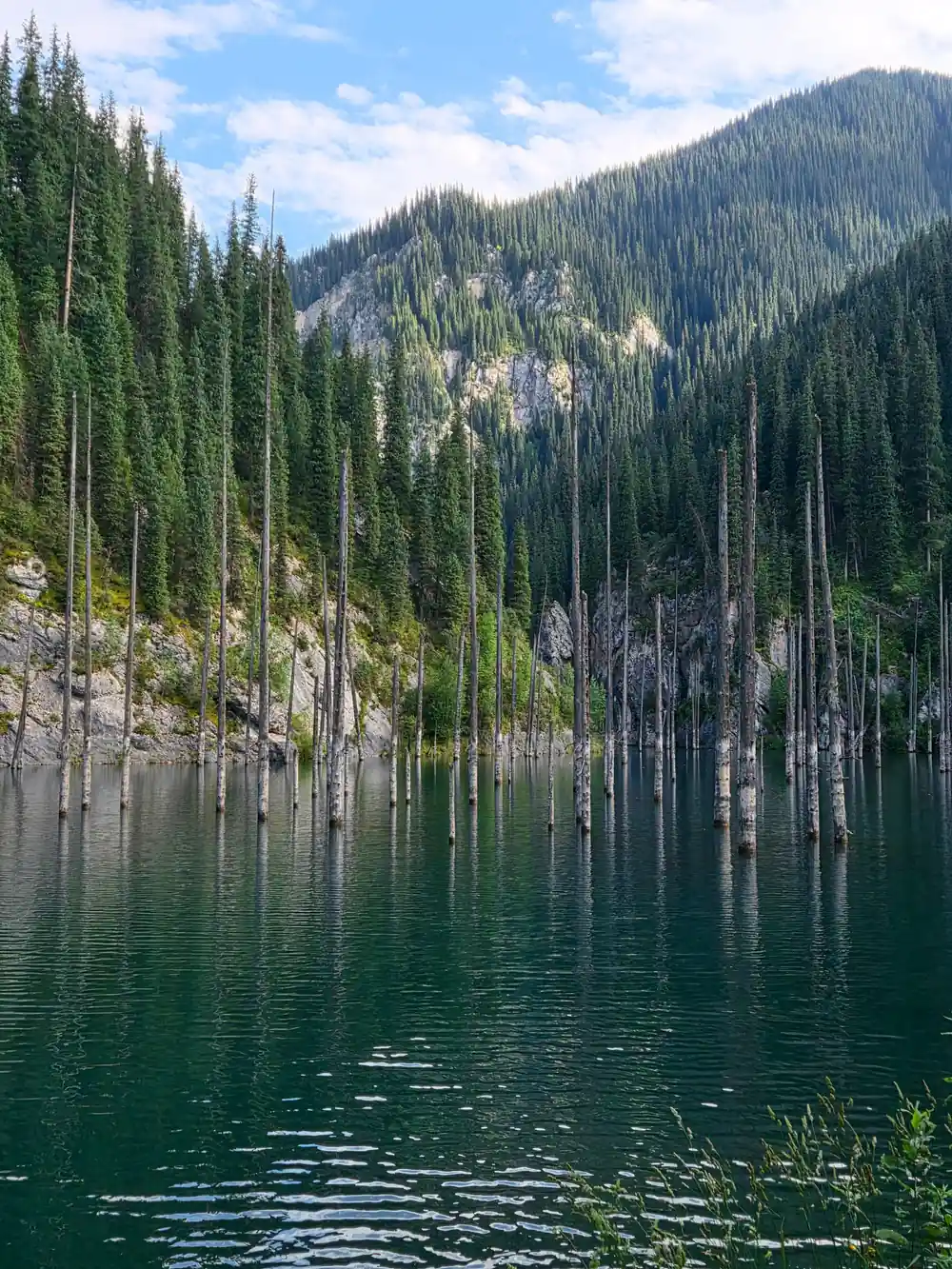
Kaindy Lake, fed by glacial snowmelt and underground springs, maintains consistently frigid temperatures. The alpine setting means air temperature drops sharply in afternoon and evening hours. Your tour includes raincoats for weather protection but not wetsuits or thermal gear. Admire these lakes from designated viewpoints and shoreline trails rather than entering the water.
3
Three separate park tickets are required to enter Charyn Canyon, Kolsai Lake, and Kaindy Lake on the same day.
Camping and Overnight Accommodation Rules
Overnight camping within Charyn Canyon National Park, Kolsai Lake, or Kaindy is prohibited without explicit prior permission from park management. This tour is designed as a full-day excursion returning to Almaty by evening, which complies with park regulations. If you wish to pursue Charyn Canyon glamping tents or other overnight stays, these must be arranged separately and outside the official park boundaries through private operators.
The parks maintain strict no-camping policies to prevent environmental damage, control visitor flow, and reduce strain on fragile alpine ecosystems. Unauthorized campfires, trampling of vegetation, and concentrated human activity in sensitive areas are significant conservation concerns. Your professional guide will ensure the group adheres to day-use protocols throughout the 17-hour itinerary.
Fires, Litter, and Environmental Fines
Open fires are strictly prohibited in all three protected areas. Violators face substantial fines enforced by park rangers and environmental authorities. Even small campfires, cooking fires, or portable stoves are not permitted on park grounds. This restriction protects forest and grassland ecosystems from accidental spread and preserves the pristine appearance of alpine landscapes.
Litter removal systems are minimal in remote park areas, making trash accumulation an acute problem. All waste generated during your visit must be carried out. Fines for littering are steep and enforced based on photographic evidence and ranger observations. The parks employ specific penalty structures for different waste types, with charges for organic waste, plastic, and hazardous materials. Pack out everything you bring in, use designated waste receptacles where available, and encourage other visitors to follow the same standard.
Marked Trails, Plant Picking, and Wildlife
Stay on designated marked trails at all three park locations. Straying from established paths causes soil erosion, damages fragile vegetation, and increases the risk of injury from unstable terrain or steep drops. Park rangers monitor trail compliance, and visitors who venture into restricted areas may be fined or required to leave immediately.
Picking plants, flowers, mushrooms, or any vegetation is forbidden. Alpine flora regenerates extremely slowly, and removal threatens species survival and genetic diversity. Feeding wild animals is equally prohibited because it disrupts natural foraging behavior, creates dependency on human food, and can habituate animals to people in ways that endanger both parties. Observe wildlife from a safe distance using binoculars or your camera's zoom function. Your professional guide will point out animals, birds, and plants while explaining their ecological roles and conservation status.
All permits and park tickets handled
from US$59Reserve now & pay later