Quick summary
- May through September offers stable weather across all three sites. July and August bring heat to Charyn Canyon; spring and autumn suit all altitudes equally.
- Pack three layers everywhere: moisture-wicking base, insulating mid-layer, and windproof outer shell. Kolsai Lake runs cooler than Charyn Canyon by 5-8°C on the same day.
- Winter visits are possible but snow closes high passes. December weather turns cold and unpredictable; canyon floors remain accessible most years but confirm conditions ahead.
- December marks the onset of snow and freezing temperatures across Almaty's region. Plan layering for sub-zero mornings and potential precipitation at higher elevations.
- July temperatures in Charyn Canyon peak at 30-35°C in full sun. Bring high-SPF sunscreen, a wide-brimmed hat, and lightweight long sleeves for canyon exposure.
Three altitudes, three microclimates
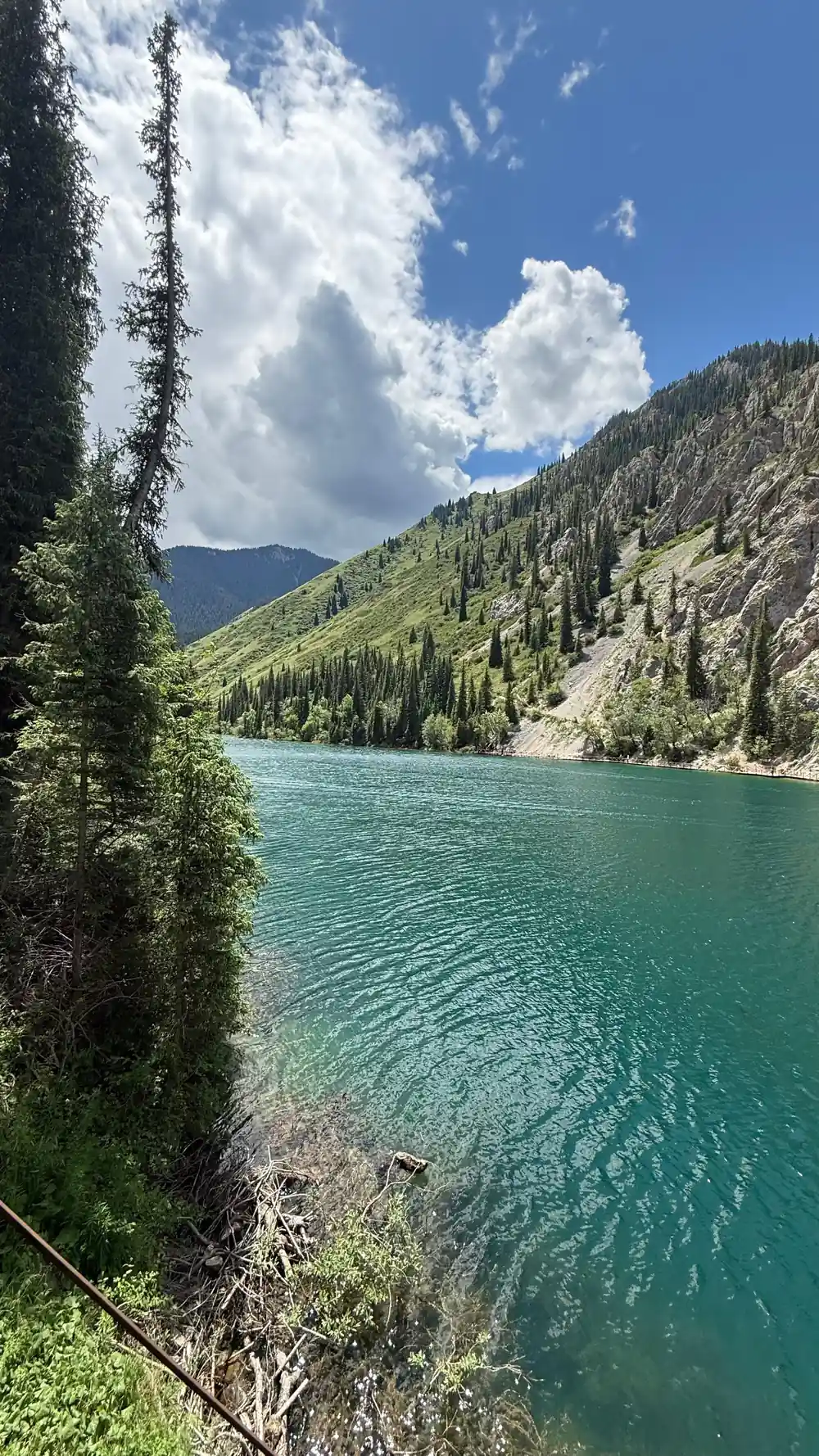
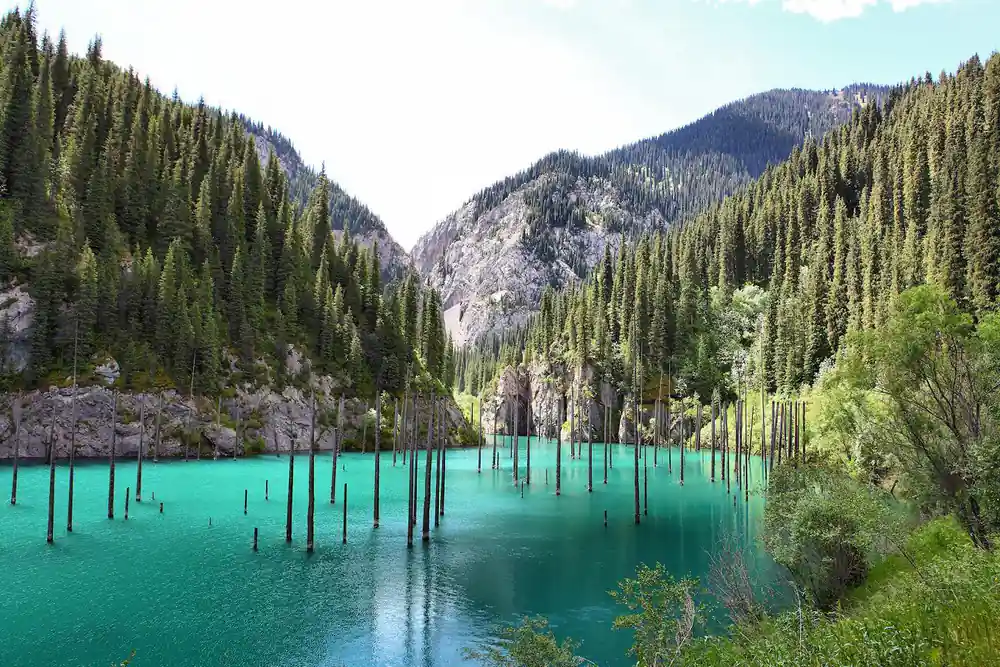
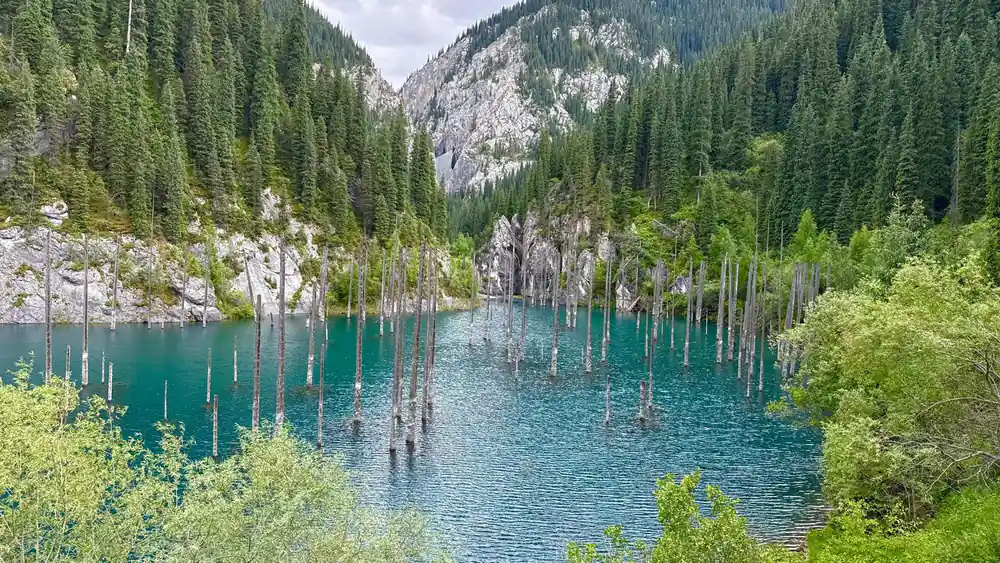
This day trip spans three distinct landscapes at different elevations, each with its own temperature profile. Charyn Canyon sits at around 1,200 meters above sea level, while Kolsai Lake reaches approximately 1,800 meters, and Kaindy Lake climbs to roughly 1,900 meters. The altitude difference explains why Kaindy feels noticeably cooler than Charyn on the same day, even though they're only an hour apart by minibus. For every 100 meters of elevation gain, temperature typically drops by about 0.6 degrees Celsius. This means that a warm afternoon in the red-rock canyon can shift to crisp air among the forest shores of the lakes.
Understanding this vertical temperature gradient is essential for packing. You'll need layers that allow you to adjust as the minibus climbs from the canyon floor toward the alpine lakes. The professional guide included with your tour can advise on conditions as you travel, but your clothing strategy should account for potentially 5 to 8 degrees Celsius of difference between your starting point and your final destination. Waterproof outer layers become especially important at higher elevations, where afternoon clouds can gather quickly.
Summer heat and canyon exposure
During July and August, Charyn Canyon temperature in July can exceed 30 degrees Celsius on exposed sections of the trail. The canyon walls, made of red and black rock formations, absorb and radiate heat intensely, making the floor of the gorge considerably warmer than surrounding areas. You'll spend several hours walking on gravel paths where there is minimal shade, so the sun's intensity is a serious consideration. Sunburn and heat exhaustion are realistic risks, not worst-case scenarios. The raincoats provided by the operator in case of rain on location can actually serve double duty as a lightweight barrier against direct UV exposure if you drape one over your shoulders.
For summer visits, prioritize light-colored, long-sleeved clothing that breathes well. Cotton and moisture-wicking synthetic fabrics are your allies here. A wide-brimmed hat is essential, and sunglasses with full UV protection should be non-negotiable. Bring a high-SPF sunscreen and reapply frequently, especially after any water exposure at the lakes. The canyon's reflection off pale rocks intensifies UV radiation, so even cloudy-looking conditions can deliver significant sun exposure.
Winter conditions and seasonal access
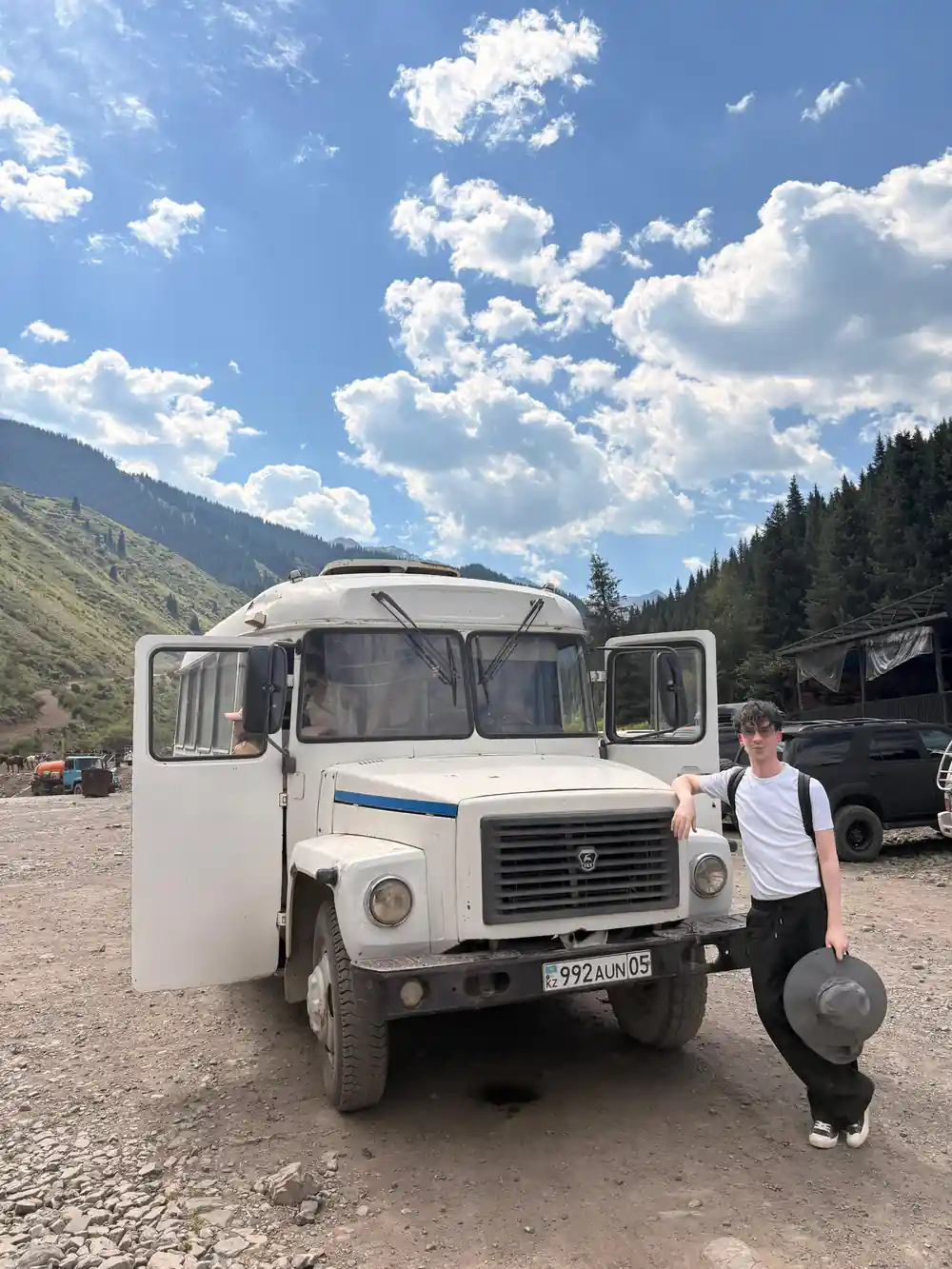
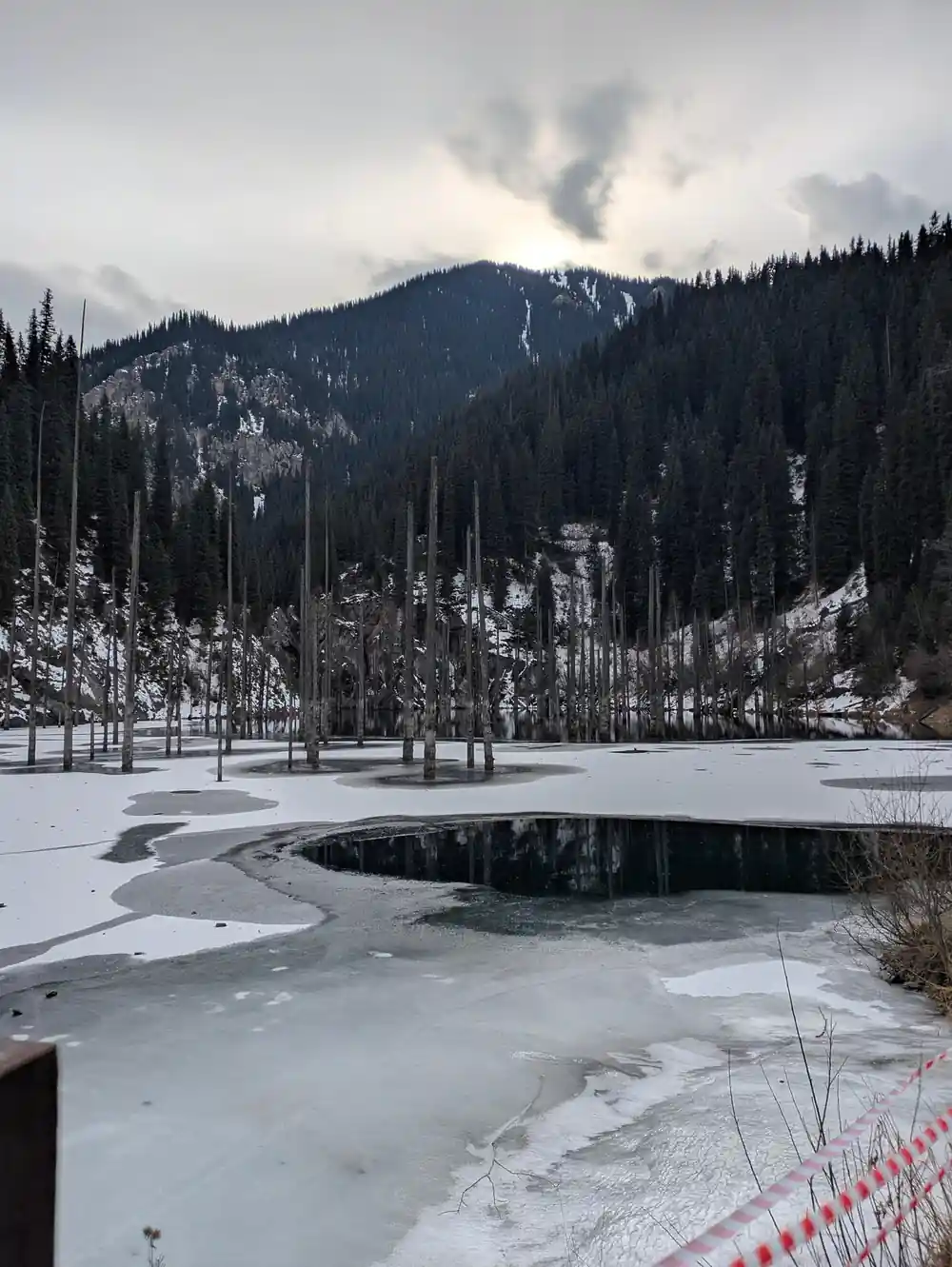
When to visit Almaty Kazakhstan includes careful consideration of winter months. Charyn Canyon Kazakhstan winter conditions do not typically close the canyon entirely, but December through February brings freezing temperatures, snow cover on higher sections, and icy patches on trails. Kolsai in winter transforms into a colder, more austere landscape, with water partially frozen and accessibility reduced for standard vehicles. The Soviet UAZ minibus transfer to Lake Kaindy mentioned in the itinerary becomes more challenging in deep winter, as roads to higher elevations can be compromised by snow and ice.
If you're planning a winter visit, expect daytime temperatures ranging from minus 5 to minus 15 degrees Celsius, with significantly colder conditions at the lakes. The sun still provides some warmth during midday hours, but mornings and evenings are bitterly cold. Snow gear is not optional: insulated, waterproof boots with good traction, thermal layers, heavy winter jacket, and a balaclava or neck gaiter are minimum requirements. The professional guide can assess conditions on the day and may adjust routes, but you should be prepared for the possibility of reduced itinerary scope during winter months.
Rain, contingencies, and layering strategy
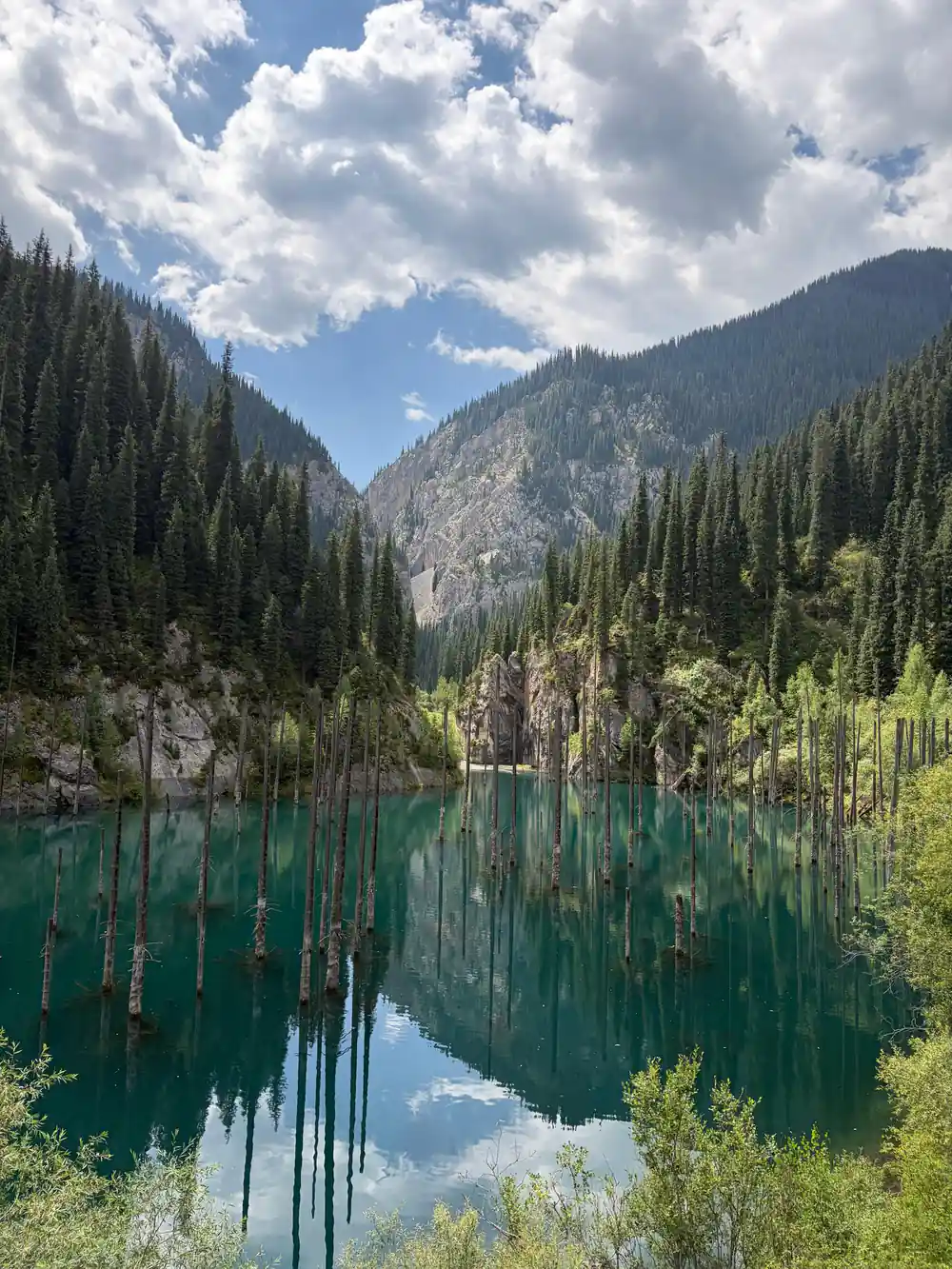
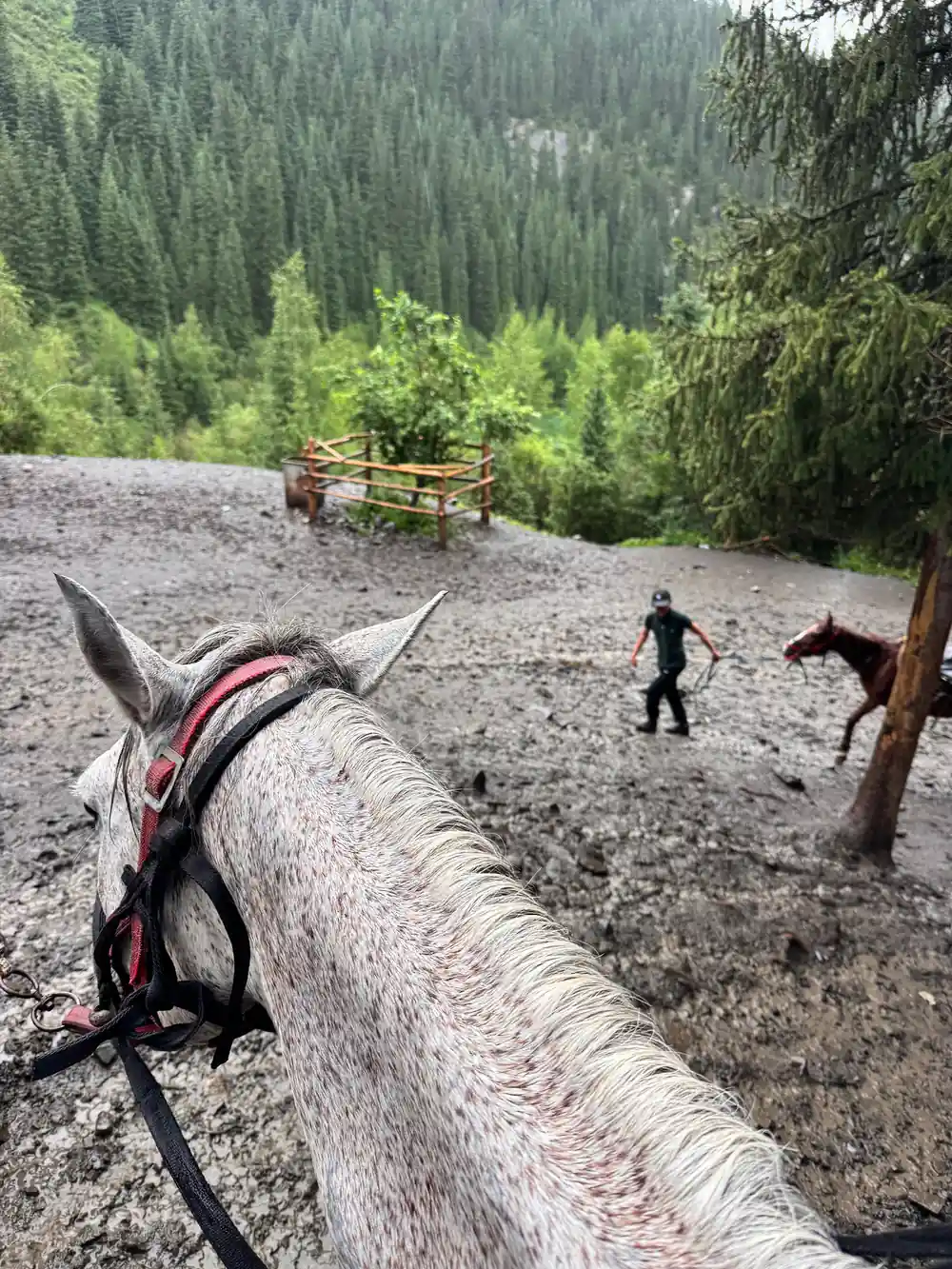
The Kolsai Kaindy lakes weather includes significant afternoon rain risk, particularly from May through September. Mountain weather patterns mean that what starts as clear morning sunshine can shift to heavy rain within hours, especially at higher elevations. The operator provides raincoats on location, which offers basic protection, but your own layering system is your primary defense. The goal is to create a moisture-management system: a moisture-wicking base layer, an insulating mid-layer, and a waterproof outer shell. This approach keeps you warm even when wet, because trapped moisture against your skin leads to rapid heat loss.
Pack rain contingencies as part of your base strategy rather than hoping for clear skies. Lightweight, packable rain jackets that compress into a small pouch are ideal. Avoid cotton entirely; choose merino wool or synthetic fabrics for all base layers. Waterproof bags for your camera, phone, and documents are wise, as the day trip involves exposure to open water environments. Rain typically does not cancel the itinerary but may accelerate pacing or adjust which viewpoints you access, so flexibility in your expectations is important.
15°
Charyn Canyon's canyon floor runs up to 15°C warmer than Kaindy Lake on the same afternoon.
Sun protection and photography light
The open expanses of Charyn Canyon offer minimal natural shade, making sun protection one of your top priorities. Beyond sunscreen and hats, consider lightweight sun-protective clothing with UPF ratings. Neck gaiters specifically designed for sun protection can be valuable for exposed areas often missed during sunscreen application. Sunglasses should block 100 percent of UVA and UVB rays; cheap sunglasses actually worsen eye damage by causing your pupils to dilate in the darkness, allowing more UV through. The combination of altitude, rock reflection, and open sky means UV intensity is significantly higher than at sea level.
For photography, the same intense sunlight creates both challenges and opportunities. Early morning and late afternoon light is softer and more flattering for landscape photography, reducing harsh shadows in the canyon. The lakes, particularly in calm conditions, offer reflective surfaces that reward photographers with mirror-like images, but the reflective glare requires polarizing filters or simply being prepared to shield your camera during intense midday sun. Bring a lens cloth and ensure your camera bag offers UV-protective compartments, as the dust and heat in the canyon can stress equipment.
Altitude effects and breathing considerations
While 1,900 meters at Kaindy Lake is not extreme altitude, it is high enough that some visitors experience mild altitude effects, especially if arriving in Almaty from sea level or low elevations. Shortness of breath, mild headaches, and accelerated heart rate are possible, though most people acclimatize within a few hours. The professional guide can pace the day to allow gradual acclimatization, and the multiple hours in the minibus between locations provides natural rest periods. Hydration becomes more important at altitude because the air is drier and your body loses moisture more rapidly through breathing.
Pack an extra liter of water beyond what you might normally carry for a day trip. Avoid alcohol the night before, as it dehydrates and worsens altitude symptoms. If you have a history of altitude sensitivity, discuss the itinerary with your guide when you meet. The day's structure, with travel time between locations, means you're not climbing continuously, which greatly reduces altitude risk. Your clothing layers should include moisture-regulating base layers specifically because elevated exertion at altitude can increase perspiration even in cool conditions.
Footwear and ground conditions
The gravel paths of Charyn Canyon are rough, angular, and unforgiving to inappropriate footwear. Standard sneakers offer inadequate ankle support and will leave your feet bruised after hours of walking on unstable surfaces. Dedicated hiking boots with ankle support, cushioned soles, and a stiff midsole are essential. The boots should be broken in before the day of the tour, as new hiking boots are a guaranteed source of blisters. Look for boots with good grip, as the canyon floor can be slippery when wet, and some sections involve moderate scrambling over rocks.
Forest tracks around Kolsai and Kaindy present different challenges: softer ground, potential mud near water, and tree roots hidden under leaf litter. A second pair of shoes for the lakes portion is ideal if you're traveling light enough to manage it, though this is not always practical. Gaiters that cover the gap between your pants and boots are worth considering, as they prevent gravel and debris from entering your boots. Merino wool or synthetic blend hiking socks, never cotton, prevent blisters and manage moisture. Waterproof hiking boots are preferable to standard boots, as the lake environments guarantee at least some wet conditions during the day.
Ready to explore? Book your date now
from US$59Reserve now & pay later